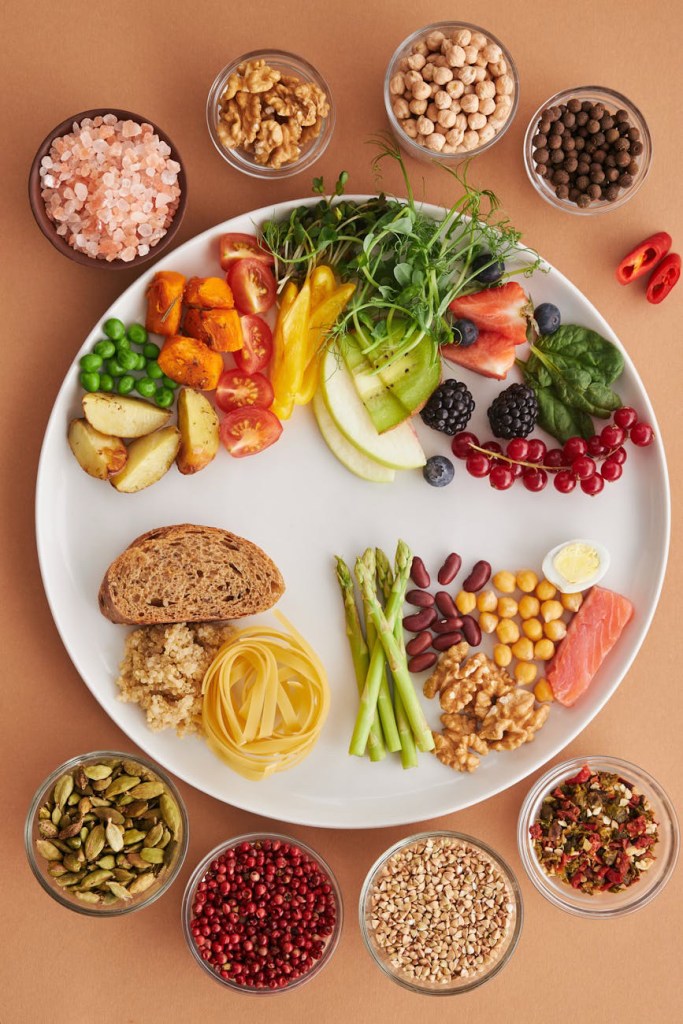
Carbs. Just the word sparks debate in fitness circles, diet trends, and even lunch table gossip. Are they making us fat? Do they fuel our bodies? Should we go keto, low-carb, or carb-load? As a dietician, I’m here to bust the myths and break it down—because carbs aren’t your enemy. In fact, they might just be your best friend (in the right amount and form!).
🧠 What Are Carbohydrates?
Carbohydrates are one of the three main macronutrients—along with proteins and fats—that provide energy for our body. Think of them as your body’s preferred fuel source. When you eat carbs, your body converts them into glucose (sugar), which is used for energy.
There are two types of carbs:
Simple carbs: Quickly digested and absorbed (e.g., sugar, soda, white bread). Complex carbs: Take longer to digest and provide lasting energy (e.g., whole grains, legumes, vegetables).
🔋 Why We Need Carbs
Energy Source: Glucose from carbs fuels everything from your brain to your muscles. Brain Power: Your brain only runs on glucose—low carb = low concentration. Spares Protein: When carbs are insufficient, your body breaks down muscle for energy. Gut Health: Whole carbs are rich in fiber, keeping your digestive system happy.
❌ The “Carbs Are Bad” Myth
Carbs often get a bad rap thanks to diet culture. But let’s be honest—it’s not the humble potato that’s the problem. It’s how we eat it (deep-fried in oil, loaded with cheese, followed by soda).
Blaming all carbs for weight gain is like blaming all fats for heart disease—it’s outdated science.

🥗 How Much Should You Eat?
The Indian Council of Medical Research (ICMR) suggests about 45–65% of your daily calories should come from carbohydrates. This doesn’t mean piles of white rice—it means a balanced intake of whole grains, fruits, and veggies.
📝 Pro Tip: Pair carbs with protein and fat (like dal + rice or peanut butter + toast) to stabilize blood sugar and keep you full longer.
⚖️ When Carbs Can Go Wrong
Overeating refined carbs: White bread, sugar, maida-heavy snacks spike blood sugar. Skipping fiber: Low-fiber carbs are digested fast, making you hungrier. No balance: A carb-only diet lacks essential amino acids and fats.
🥦 Carbs Can Help You Lose Weight
Yes, you read that right. When eaten wisely, complex carbs can actually support fat loss by:
Boosting satiety Reducing cravings Enhancing workout performance Preventing binge eating
📚 Final Verdict: Friend, Not Foe
Carbohydrates are not villains. They are essential for energy, metabolism, and overall health. What matters is type, portion, and balance.
So the next time someone says “cut carbs to lose weight,” you can smile and say, “I choose to eat smart carbs, not skip them.”
💬 Got Questions?
Drop them in the comments or reach out directly—I’d love to help you decode your diet.
Would you like me to add this blog into a formatted Word or PDF file, or upload a version with visuals for your WordPress site?


 Berryvive Wellness
Leave a comment