Berryvive Wellness

“Vibrant Living Through Smart Nutrition.”

  • We’ve all been there—sticking to a healthy eating routine all week, only to see it slip away the moment Friday evening arrives. Weekends often bring social gatherings, dinners out, movie nights, or just the urge to “reward” ourselves. But weekend bingeing can undo an entire week’s progress, leaving you feeling sluggish and guilty by Monday.

    The good news? You don’t have to miss out on fun or food to stay on track. With a few smart strategies, you can enjoy your weekends while still honoring your health goals.

    1. Shift the “All-or-Nothing” Mindset

    One indulgent meal doesn’t have to turn into a full weekend binge. Instead of thinking “I’ve ruined my diet,” remind yourself that balance matters more than perfection. A slice of pizza or a piece of cake is fine—just don’t let it spiral into overeating the entire weekend.

    2. Don’t Skip Meals to Compensate

    Skipping breakfast or lunch to “save calories” for a night out often backfires, leading to overeating later. Start your day with protein and fiber-rich meals (like oats with nuts, or eggs with veggies) to stay fuller and more in control.

    3. Plan Ahead for Social Events

    If you know you’ll be eating out, check the menu beforehand and pick a balanced option. You can also share appetizers, choose grilled over fried, or balance a heavier meal with lighter choices earlier in the day.

    4. Stay Hydrated

    Thirst is often mistaken for hunger. Keep a water bottle handy, especially if alcohol is involved. A simple trick: have one glass of water between each drink—it keeps you hydrated and prevents over-drinking.

    5. Practice the “80/20 Rule”

    Eat nourishing, wholesome meals 80% of the time, and enjoy your favorite treats guilt-free 20% of the time. This way, you never feel deprived, and weekends don’t turn into a free-for-all.

    6. Add Movement Into Your Weekend

    It doesn’t have to be an intense workout—think morning walks, a dance session, or even a family hike. Staying active helps balance extra calories and keeps your energy levels high.

    7. Mindful Eating Over Mindless Eating

    When you eat, slow down and truly enjoy the flavors. Avoid eating directly from large packs or while watching TV—it’s too easy to lose track of how much you’ve eaten.

    Takeaway:

    Weekends are for relaxation, connection, and fun—not guilt or restriction. By planning ahead, staying mindful, and allowing yourself flexibility, you can enjoy your weekends without undoing your hard work during the week. Remember: health is a lifestyle, not a short-term diet.


  • When most people think about gut health, they picture digestion — breaking down food, absorbing nutrients, and keeping bowel movements regular. But your gut does far more than that. It’s deeply connected to your skin, your energy levels, your mood, and even your immune system.

    If you’ve been struggling with persistent bloating, stubborn acne, or unexplained fatigue, your gut might be sending distress signals.

    Why the Gut Is So Important

    Your gut houses trillions of microbes — bacteria, fungi, and other microorganisms collectively known as the gut microbiome. A balanced microbiome:

    Helps digest food efficiently Produces vitamins like B12 and K Supports immune defense Communicates with your brain via the gut-brain axis

    When this balance is disturbed (a condition called dysbiosis), it can cause inflammation and set off a chain reaction throughout your body.

    Gut Imbalance & Bloating

    How it happens: Overgrowth of harmful bacteria, low digestive enzyme production, or poor gut motility can trap gas and cause distension. Common triggers: Processed foods, excessive sugar, chronic stress, food intolerances (like lactose or gluten).

    Pro tip: Track what you eat, chew slowly, and try probiotics from fermented foods like yogurt, kefir, or sauerkraut.

    Gut Health & Acne

    The connection: An unhealthy gut can increase intestinal permeability (a “leaky gut”), allowing toxins and inflammatory molecules into the bloodstream. This can trigger skin inflammation and worsen acne. Hormone link: Dysbiosis can influence insulin and androgen levels, both of which play a role in acne flare-ups.

    Pro tip: Increase fiber intake, limit refined carbs, and include omega-3-rich foods like flaxseeds and walnuts to reduce inflammation.

    Gut Health & Fatigue

    The connection: When nutrient absorption is compromised, your cells can’t get the fuel they need, leading to constant tiredness. Immune load: A stressed gut may cause chronic, low-grade inflammation, draining your energy.

    Pro tip: Prioritize a balanced diet, manage stress, and get adequate sleep to allow your gut (and you) to recover.

    Signs Your Gut Needs Attention

    Frequent bloating, gas, or constipation Food sensitivities Skin issues (acne, eczema) Unexplained fatigue or brain fog Mood swings or anxiety

    Simple Steps to Heal Your Gut

    Eat a variety of whole foods — especially plant-based fibers. Stay hydrated to keep digestion smooth. Add fermented foods like curd, kimchi, and kombucha. Manage stress — your gut feels what your mind feels. Avoid unnecessary antibiotics unless prescribed.

    Bottom Line

    Your gut is the foundation of your overall health. When it’s happy and balanced, your digestion improves, your skin glows, and your energy levels rise. If bloating, acne, or fatigue have been holding you back, it’s worth exploring your gut health — because healing it might just be the missing piece of your wellness puzzle.

  • We’ve all heard the advice: Eat healthy and exercise regularly if you want to manage your weight.

    But there’s another powerful factor that often gets ignored — your sleep.

    Yes, how well (and how long) you sleep can play a big role in whether you’re losing weight, maintaining it, or finding the scale creeping upward. Let’s dive into the science behind it — and how you can use sleep to your advantage.

    1. Sleep & Hormones: The Silent Influencers

    When you’re sleep-deprived, your body’s hunger hormones go haywire.

    Ghrelin — the hormone that makes you feel hungry — goes up.

    Leptin — the hormone that signals “I’m full” — goes down.

    This hormonal imbalance makes you crave more food, especially high-calorie, sugary, and carb-rich snacks. Ever noticed that after a sleepless night, you’re reaching for biscuits or chips more than usual? That’s not lack of willpower — it’s biology.

    2. Sleep Affects Your Metabolism

    Poor sleep can slow down your body’s ability to burn calories efficiently. It messes with your insulin sensitivity, making it harder for your body to use glucose for energy. Over time, this can lead to fat storage, especially around the belly.

    3. Sleep & Cravings: The Junk Food Connection

    Studies show that sleep deprivation changes the way your brain responds to food. Your reward centers light up more when you see junk food — making that pizza look irresistible. This is why you may find it harder to stick to your healthy eating plan when you’re tired.

    4. Energy & Physical Activity

    When you don’t get enough rest, you feel drained, making it less likely you’ll exercise. Even if you do work out, your performance may suffer — meaning fewer calories burned and slower progress toward your fitness goals.

    5. Stress, Cortisol & Belly Fat

    Lack of sleep triggers the release of cortisol, the stress hormone. High cortisol not only increases appetite but also encourages fat storage around your midsection.

    How to Use Sleep for Weight Management

    Aim for 7–9 hours of good-quality sleep per night. Stick to a consistent schedule — go to bed and wake up at the same time daily. Create a relaxing bedtime routine — dim the lights, avoid screens 1 hour before bed, try calming herbal teas. Make your bedroom a sleep sanctuary — cool, dark, and quiet. Limit caffeine and heavy meals in the evening.

    Bottom Line: Sleep is not just rest — it’s an active process that regulates hormones, metabolism, and appetite. If you’re eating right and exercising but still not seeing results, your missing link could be better sleep.

  • When it comes to losing fat, the goal isn’t to starve yourself — it’s to nourish your body with foods that support your metabolism, balance blood sugar, and keep you full for longer. The good news? You don’t have to give up your favorite Indian flavors to see results!

    Here are some of the best Indian foods for fat loss that combine taste, nutrition, and satiety.

    1. Moong Dal (Yellow Split Gram)

    Why it’s great: High in protein and fiber, moong dal keeps you full and aids muscle repair. How to enjoy: Light moong dal khichdi with vegetables or sprouted moong salad for a nutrient-packed lunch.

    2. Ragi (Finger Millet)

    Why it’s great: Rich in calcium, fiber, and polyphenols that help control blood sugar. How to enjoy: Ragi dosa, ragi porridge, or ragi roti as a healthier alternative to refined flour options.

    3. Buttermilk (Chaas)

    Why it’s great: Low-calorie, probiotic-rich drink that aids digestion and reduces bloating. How to enjoy: Blend low-fat curd with water, cumin powder, and mint for a refreshing mid-meal beverage.

    4. Spinach & Other Leafy Greens

    Why it’s great: Low in calories, high in iron, folate, and antioxidants that support metabolism. How to enjoy: Palak dal, spinach soup, or stir-fried greens with garlic and spices.

    5. Bajra (Pearl Millet)

    Why it’s great: Slow-digesting, keeps you fuller for longer, and provides essential minerals like magnesium. How to enjoy: Bajra roti with dal or bajra khichdi in cooler months.

    6. Turmeric

    Why it’s great: Contains curcumin, which reduces inflammation and may improve fat metabolism. How to enjoy: Add to curries, warm turmeric milk (haldi doodh), or detox teas.

    7. Chana (Chickpeas)

    Why it’s great: High in protein and fiber, supports satiety and muscle maintenance. How to enjoy: Roasted chana as a snack or chana salad with lemon and spices.

    8. Curd (Yogurt)

    Why it’s great: Packed with probiotics, protein, and calcium — supports gut health and metabolism. How to enjoy: Have plain curd with fruit, use as a dip base, or make a cooling side dish with meals.

    9. Bottle Gourd (Lauki)

    Why it’s great: Low in calories, hydrating, and gentle on digestion. How to enjoy: Lauki soup, lauki dal, or lauki-thepla for a light dinner.

    10. Masoor Dal (Red Lentils)

    Why it’s great: Light on the stomach, high in plant protein, and quick to cook — great for busy days. How to enjoy: Masoor dal curry or thin dal soup with vegetables.

    Pro Tips to Maximize Fat Loss with Indian Foods

    Watch your portions — even healthy foods can cause weight gain if eaten in excess.

    Use minimal oil — prefer mustard oil, sesame oil, or ghee in small amounts.

    Add protein to every meal — dal, sprouts, curd, or lean meat.

    Limit refined carbs — replace white rice with millets or brown rice.

    Stay hydrated — drink water, herbal teas, or infused water through the day.

    Final Word:

    Indian cuisine offers countless wholesome options that can fit perfectly into a fat-loss diet. By making small swaps and balancing your meals, you can enjoy flavorful dishes while moving closer to your health goals.

  • Your gut is more than just a digestion station — it’s home to trillions of bacteria, a large portion of your immune system, and even has its own “mini-brain” called the enteric nervous system. When your gut health is off-balance, it can lead to bloating, gas, constipation, food intolerances, skin issues, and even low mood.

    A proven framework many functional nutrition experts use to restore gut health is The 4 R’s Approach — Remove, Replace, Reinoculate, Repair. Let’s break it down step-by-step.

    1. Remove – The Irritants

    The first step is about identifying and eliminating what’s harming your gut. This can include:

    Trigger foods – such as gluten, dairy, refined sugar, processed foods, and artificial additives. Pathogens – like yeast overgrowth, harmful bacteria, or parasites. Lifestyle stressors – chronic stress, lack of sleep, and overuse of medications (especially antibiotics and NSAIDs).

    Practical Tip:

    Keep a food and symptom diary for 2–3 weeks to identify patterns. If you suspect deeper issues, stool or food intolerance testing can help pinpoint hidden triggers.

    2. Replace – The Missing Ingredients

    Once the irritants are out, it’s time to give your digestive system the tools it needs to function well. This means:

    Digestive enzymes – to help break down food more efficiently. Stomach acid support – for those with low acid (often due to stress, age, or medications). Bile salts – to aid fat digestion if gallbladder function is sluggish.

    Practical Tip:

    Chew your food thoroughly, avoid drinking excessive water during meals, and consider a digestive enzyme supplement (after professional advice).

    3. Reinoculate – The Good Bacteria

    Your gut microbiome thrives when beneficial bacteria outnumber the harmful ones. This stage focuses on:

    Probiotics – strains like Lactobacillus and Bifidobacterium for gut balance. Prebiotics – fiber-rich foods (onions, garlic, asparagus, flaxseeds) that feed good bacteria. Fermented foods – yogurt, kefir, kimchi, sauerkraut, and kombucha.

    Practical Tip:

    Start slowly when adding probiotics or fiber — a sudden increase can cause temporary bloating. Let your gut adapt.

    4. Repair – The Gut Lining

    The final step is healing and sealing the intestinal lining so it can properly absorb nutrients and protect against toxins. Nutrients that help include:

    L-Glutamine – a key amino acid for intestinal cells. Zinc – supports tissue repair. Omega-3 fatty acids – reduce inflammation. Antioxidants – from colorful fruits and vegetables to fight oxidative stress.

    Practical Tip:

    A soothing gut-healing smoothie with berries, spinach, flaxseed, and unsweetened almond milk can nourish your gut lining daily.

    Why the 4 R’s Work

    This approach is holistic — it doesn’t just mask symptoms but addresses root causes. By removing irritants, replacing essentials, reinoculating with good bacteria, and repairing the gut lining, you restore digestive balance and overall health.

    Remember, gut healing is a journey, not a quick fix. Be patient, consistent, and consider working with a qualified nutrition professional for a tailored plan.

  • We’ve all been there — a tough day, and suddenly that bag of chips or box of sweets disappears. But stress doesn’t just mess with your mind… it changes how your body eats, digests, and functions.

    🍽 How Stress Impacts Eating Habits:

    Triggers Emotional Eating – You reach for comfort foods high in sugar, salt, and fat. Affects Hunger Hormones – Stress raises cortisol, making you feel hungrier even when you’re not. Speeds Up or Slows Down Eating – Some eat too fast, others skip meals altogether. Weakens Digestion – Stress diverts blood from your digestive system, leading to bloating or discomfort.

    🌀 Day-to-Day Life Effects:

    Low energy & fatigue 😴 Poor concentration & mood swings Sleep disturbances Weakened immunity

    💡 Stress-Healthy Tips:

    Practice deep breathing or meditation for 5 minutes daily. Keep healthy snacks like nuts, fruits, or yogurt handy. Stay hydrated — dehydration can worsen stress. Move your body: even a 10-minute walk helps.

    🌿 Remember, a calm mind supports a healthy body — and healthy eating starts from within.

  • Most diets fail not because of what we eat, but because of how we eat. Mindful eating is a simple yet powerful habit that helps you lose weight without feeling deprived.

    What is Mindful Eating?

    It’s the practice of eating with full attention — noticing the flavors, textures, and your body’s hunger and fullness signals.

    💡 How It Helps in Weight Loss:

    Prevents Overeating – You eat slower, giving your brain time to register fullness. Better Food Choices – You naturally crave healthier foods when you listen to your body. Less Emotional Eating – You learn to separate true hunger from stress or boredom. Improved Digestion – Eating calmly supports better gut health.

    Simple Steps to Start Today:

    Eat without distractions (no TV or phone 📵). Take smaller bites and chew thoroughly. Pause midway and ask yourself, “Am I still hungry?” Appreciate the colors, aroma, and taste of your meal.

    💬 Weight loss isn’t just about the plate — it’s about the pace. Start eating mindfully and watch the difference.

  • When it comes to weight loss, quick fixes often promise the world but deliver short-lived results. Crash diets, extreme workouts, and skipping meals might show temporary changes—but they can also harm your metabolism, energy levels, and relationship with food.

    The truth? Sustainable weight loss is not about perfection. It’s about building healthy, repeatable habits that fit your lifestyle and support your overall well-being. Here are 5 habits that truly work for long-term success.

    1. Eat Balanced Meals – Not Fad Diets

    Instead of cutting entire food groups, focus on balanced nutrition:

    Protein to support muscle and satiety (lentils, eggs, fish, paneer, beans). Healthy fats for hormones and brain function (nuts, seeds, avocado, olive oil). Complex carbs for steady energy (whole grains, fruits, vegetables).

    Tip: Aim for half your plate to be vegetables, a quarter lean protein, and a quarter whole grains.

    2. Practice Mindful Eating

    We live in a world of distractions, and that often leads to overeating. Mindful eating means:

    Eating slowly and savoring each bite. Listening to hunger and fullness cues. Avoiding screens during meals.

    This not only improves digestion but also helps prevent unnecessary snacking.

    3. Stay Consistent with Movement

    You don’t need to spend hours in the gym—consistency matters more than intensity.

    Aim for 30–45 minutes of movement most days. Mix strength training (to preserve muscle) with cardio (for heart health). Include enjoyable activities like dancing, yoga, or brisk walks so you stick with them.

    4. Prioritize Sleep & Stress Management

    Poor sleep and chronic stress can trigger cravings and slow metabolism.

    Aim for 7–8 hours of quality sleep each night. Practice relaxation techniques—deep breathing, journaling, meditation. Limit caffeine late in the day.

    Your body burns fat more efficiently when well-rested and less stressed.

    5. Focus on Progress, Not Perfection

    Weight loss isn’t a straight line. Some weeks you’ll see results, some weeks you won’t. The key is to:

    Track non-scale victories like energy, mood, strength, and clothing fit. Celebrate small wins. Adjust without giving up when setbacks happen.

    Long-term success is built on patience and persistence.

    Final Word

    Sustainable weight loss is about small, consistent steps that improve your lifestyle—not drastic, unsustainable changes. When you nourish your body, move regularly, rest well, and keep a positive mindset, you’re not just losing weight—you’re building a healthier, happier you.

  • 🚫 Why Most Diets Fail:

    🔹 Too restrictive – “No carbs, no fun!”

    🔹 Unrealistic expectations – 10 kg in 10 days? Nope.

    🔹 Temporary mindset – It’s not a lifestyle, just a phase.

    🔹 No flexibility – One “cheat” and it all falls apart.

    🔹 Focus on quick fixes, not sustainable habits.

    ✅ What Actually Works:

    🔸 Balanced nutrition over strict rules

    🔸 Consistency > perfection

    🔸 Listening to your body

    🔸 Simple, realistic changes you can stick to

    🔸 Building a lifestyle you enjoy

    ✨ Sustainable habits > crash diets

    ✨ Progress > perfection

    ✨ Nourishment > punishment

    📌 Remember: You don’t need a new diet.

    You need a better strategy.

  • Sprouts may be small, but they pack a serious nutritional punch. Whether it’s moong, chana, or alfalfa, these germinated seeds are a powerhouse of health benefits — especially when it comes to managing cholesterol, blood sugar, and weight.

    Let’s explore how this humble kitchen staple can support your wellness goals naturally.

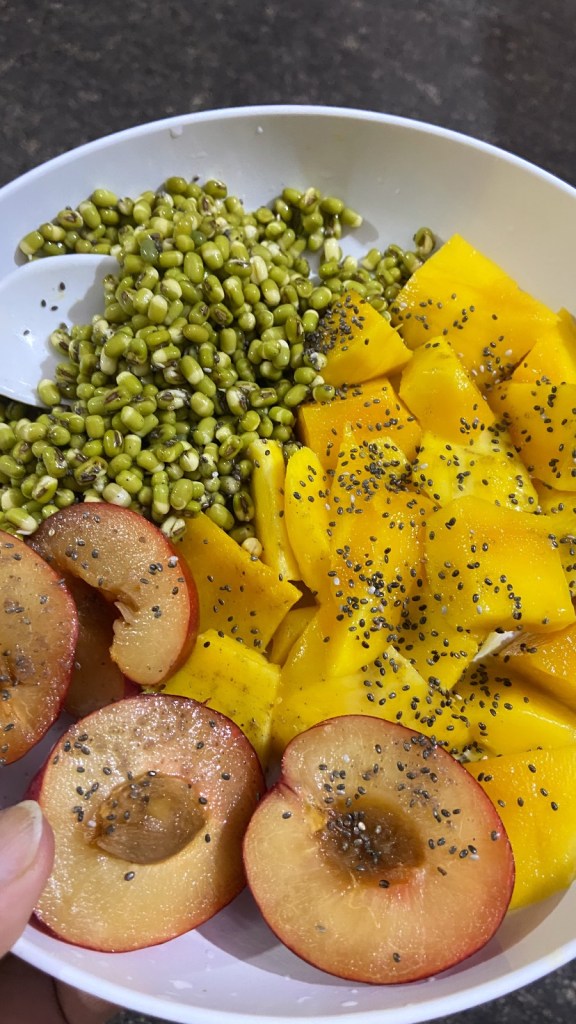
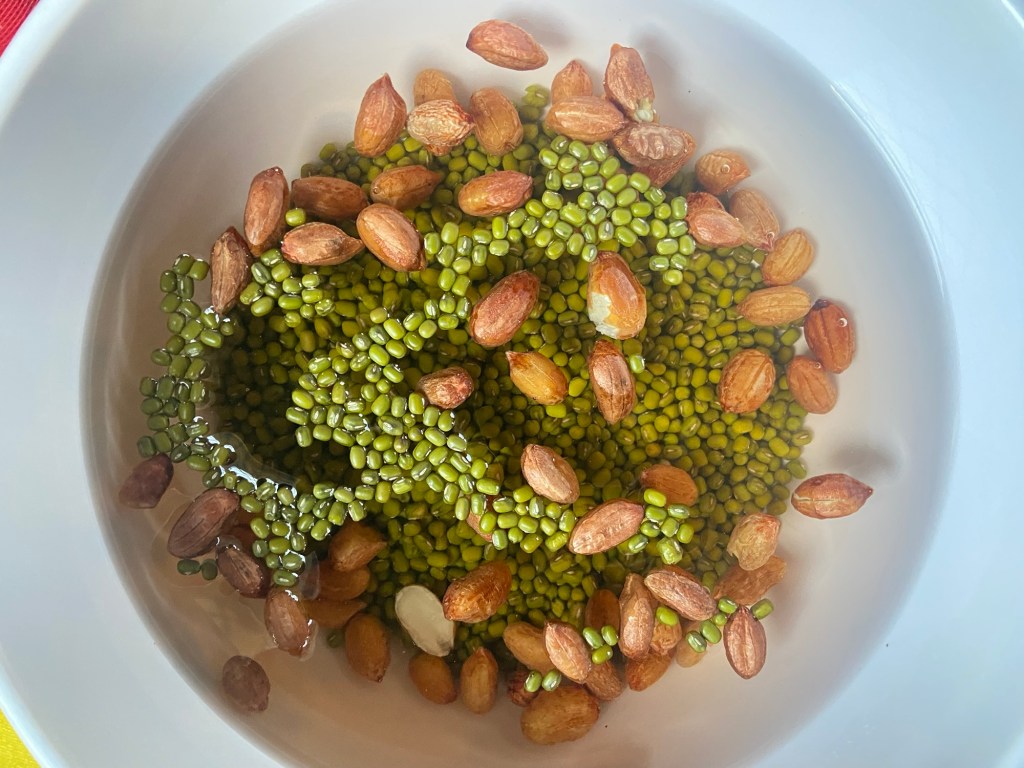
    My sprout fruit bowl

    🧬 1. Sprouts & Cholesterol Control

    Sprouts are rich in dietary fiber and plant-based compounds (like saponins and flavonoids) that help reduce LDL (bad cholesterol) while increasing HDL (good cholesterol).

    How it works: The fiber binds with bile acids and fats in the digestive tract, helping eliminate excess cholesterol from the body. Bonus: Sprouts like alfalfa are also known to reduce arterial inflammation, supporting heart health.

    📌 Tip: Have ½ cup of raw moong sprouts with lemon and black salt 4-5 times a week.

    🩺 2. Sprouts & Blood Sugar Management

    Sprouting breaks down starches into simpler forms and lowers the glycemic index (GI) of the food. This means a slower release of glucose into the bloodstream — a boon for people with insulin resistance or diabetes.

    Rich in magnesium, antioxidants, and enzymes that improve insulin sensitivity. Helps in preventing sudden spikes and crashes in blood sugar levels.

    📌 Tip: Pair sprouts with protein or fat (like curd or peanuts) for better glycemic control.

    ⚖️ 3. Sprouts & Weight Loss

    Trying to shed some kilos? Sprouts are low in calories but high in volume, fiber, and protein, making them excellent for appetite control.

    Keeps you fuller for longer and reduces cravings. Promotes lean muscle mass due to plant protein content. Supports gut health, which is crucial for fat metabolism.

    📌 Tip: Replace your evening fried snack with a mixed sprout salad with cucumber, tomatoes, and a pinch of chaat masala.

    💡 How to Add Sprouts to Your Daily Routine

    ✅ Add them to salads, wraps, or sandwiches

    ✅ Blend into smoothies (use alfalfa or broccoli sprouts)

    ✅ Use them in stir-fries or soups

    ✅ Steam lightly with turmeric and mustard seeds for a warm sprout chaat

    🛑 A Word of Caution

    Always wash and store sprouts properly, and avoid raw sprouts if you have a weak immune system. Light steaming is a safer option.

    Final Thoughts

    Sprouts are more than just a diet trend — they are a natural, affordable, and nutrient-rich solution to tackle lifestyle diseases. Including sprouts regularly in your meals can improve lipid profile, stabilize blood sugar, and support weight management, making them a perfect fit for your wellness plate.