Berryvive Wellness

“Vibrant Living Through Smart Nutrition.”

  • If the thought of counting calories every time you eat feels exhausting, you’re not alone. While calorie tracking works for some, it’s not sustainable or enjoyable for everyone. The good news? You can still lose weight effectively without obsessing over numbers.
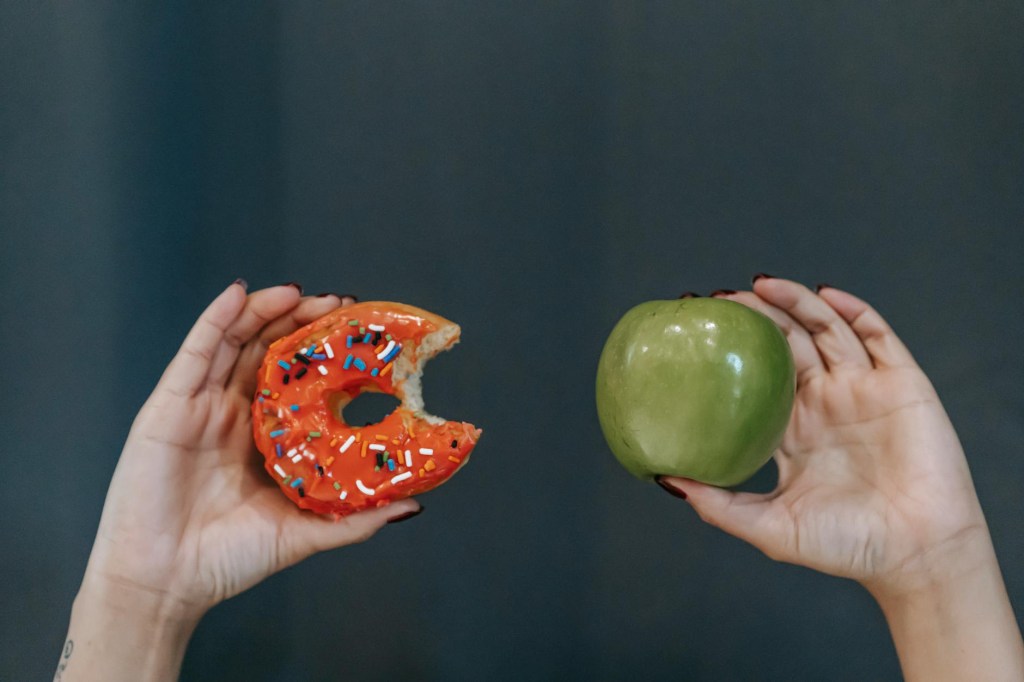
    Here’s how to achieve a healthy weight through smart, mindful habits that truly last:

    🍽️ 1. Focus on Quality Over Quantity

    Instead of worrying about how much you’re eating, start paying attention to what you’re eating.

    Choose whole, unprocessed foods: fresh fruits, vegetables, whole grains, legumes, lean proteins, and healthy fats. Avoid ultra-processed snacks and sugary drinks—they’re calorie-dense but nutrient-poor.

    📝 Remember: Your body responds better to nutrient-dense foods than just low-calorie foods.

    🥦 2. Eat Mindfully

    Slow down and truly experience your meals.

    Chew thoroughly Put your fork down between bites Eat without distractions (like your phone or TV)

    This helps you tune into hunger and fullness signals, reducing overeating naturally.

    ⏰ 3. Build a Consistent Meal Schedule

    Eating at regular intervals helps control hunger and cravings.

    Don’t skip meals—especially breakfast Space meals and snacks every 3–4 hours Include a protein source in every meal to feel fuller longer

    🚰 4. Hydrate, Hydrate, Hydrate

    Thirst is often mistaken for hunger.

    Start your day with a glass of water Drink a glass before every meal Aim for at least 2–2.5 liters per day, more if you’re active

    💧 Pro tip: Try Berryvive’s detox water recipes to stay refreshed and boost your metabolism naturally.

    🧘‍♀️ 5. Manage Stress and Sleep

    Stress and sleep impact your weight more than you may think.

    Chronic stress increases cortisol, which can trigger fat storage Lack of sleep disrupts hunger hormones and leads to cravings

    🎯 Aim for 7–8 hours of sleep and try relaxing activities like yoga, journaling, or nature walks.

    🏃‍♀️ 6. Move Your Body Daily

    You don’t need a fancy gym membership.

    Walk more, take the stairs, dance, stretch—just keep moving Include strength training twice a week to preserve lean muscle

    🧩 Consistency matters more than intensity. Just 30 minutes a day can make a big difference.

    🍽️ 7. Practice the 80/20 Rule

    Healthy eating doesn’t mean perfection.

    Eat nutritious, home-cooked meals 80% of the time Enjoy your favorite treats guilt-free 20% of the time

    It’s about balance, not restriction.

    🌿 Final Thoughts

    Weight loss doesn’t have to be about numbers. When you nourish your body, eat mindfully, move with purpose, and care for your mental health, weight loss becomes a natural byproduct of a healthy lifestyle.

    Let go of the calorie calculator and focus on creating habits that are enjoyable and sustainable.
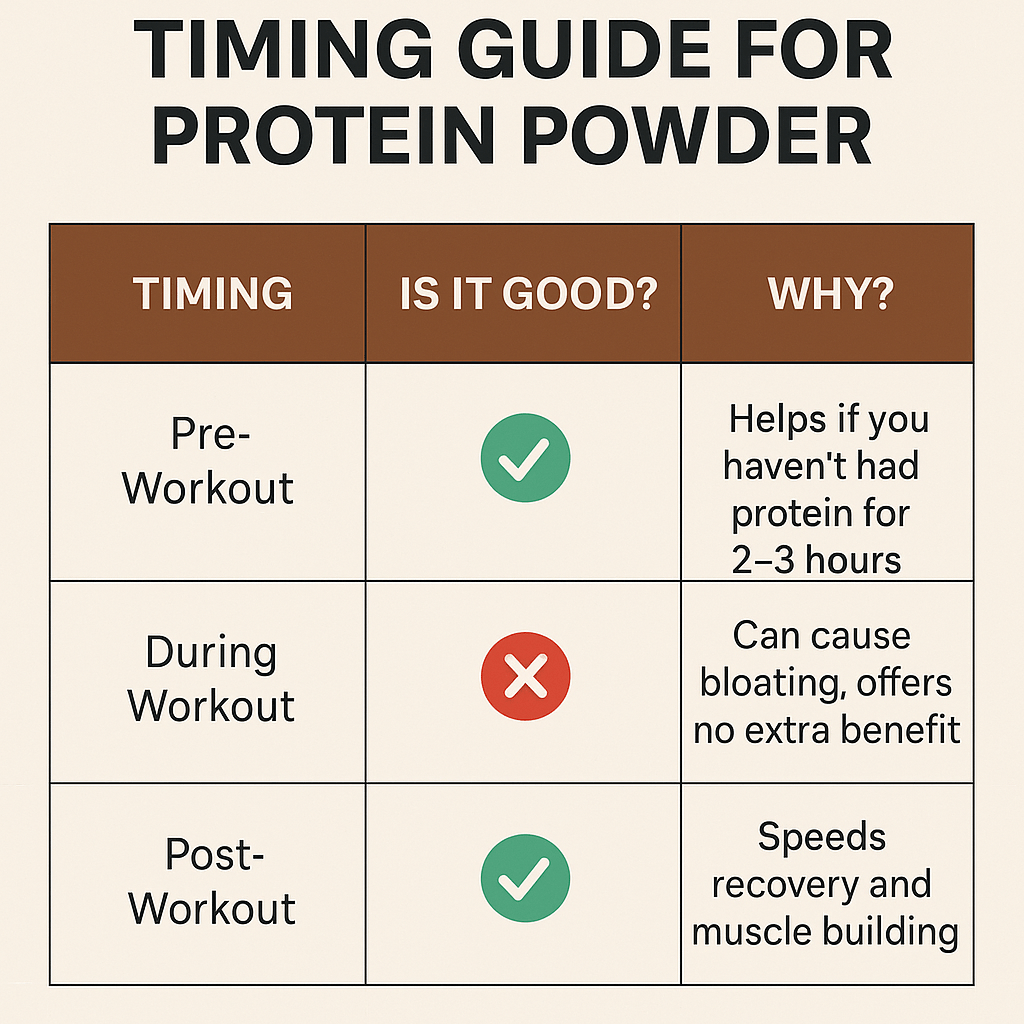
  • Post-Workout (Ideal for Muscle Recovery & Growth) The most common and effective time to take protein is within 30–60 minutes after your workout. This helps kickstart muscle repair and protein synthesis. Especially important if you trained fasted or haven’t eaten protein in the past few hours. Pre-Workout (Optional) Taking protein 1–2 hours before your workout can help ensure you have amino acids available during exercise. Great if you haven’t eaten a meal in the last 2–3 hours. During Workout Generally not needed unless: You’re doing very long or intense workouts (over 90 minutes) You’re training in a fasted state (e.g., early morning without breakfast) You’re in a caloric deficit and trying to preserve muscle mass

    Why Avoid Protein Powder During Regular Workouts?

    Can feel heavy or uncomfortable in the stomach while exercising. Slower digestion during exercise due to reduced blood flow to the gut. No added benefit over taking it post-workout if you’ve eaten a balanced pre-workout meal.

  • If your mornings begin with white bread, sugar-laden cereals, or chai with biscuits—you’re not alone. But here’s the truth: this kind of breakfast spikes your blood sugar, leaves you hungry within an hour, and sets you up for energy crashes all day.

    🧠 Why Go High-Protein?

    A high-protein breakfast stabilizes your blood sugar, keeps you full longer, and boosts focus and metabolism. Protein takes longer to digest, helping curb mid-morning cravings and reducing overeating later in the day.

    🥚 Great Protein-Packed Breakfast Options:

    Veggie omelet + a handful of nuts Moong dal chilla with curd Overnight oats with chia seeds and almonds (no sugar) Boiled eggs + sautéed veggies Paneer bhurji wrapped in a whole-grain roti Greek yogurt smoothie with berries and flaxseed

    🚫 Skip these:

    White bread toast with jam Sugary cereals Biscuits, rusks, and bakery items Processed juices or sweetened tea/coffee

    💡 Pro tip: Start with at least 15–20g of protein in your first meal. It makes a huge difference in energy, focus, and even weight management.

    🌱 Small change, big results. Ditch the sugar and white carbs—fuel your day with smart protein instead!

  • Do you often feel tired after meals or get sudden sugar cravings? These could be signs of blood sugar spikes – a common but often ignored issue that can lead to long-term health problems like diabetes, fatigue, and weight gain.

    Let’s break down what causes blood sugar spikes and simple ways to prevent them naturally.

    🔍 What is a Blood Sugar Spike?

    When you eat, your body breaks down carbohydrates into glucose (sugar), which enters your bloodstream. A blood sugar spike happens when glucose levels rise too quickly – especially after eating refined carbs or sugary foods. Your body releases insulin to bring levels down, but over time, this can lead to insulin resistance, weight gain, or Type 2 diabetes.

    🚨 Common Causes of Blood Sugar Spikes

    Refined Carbohydrates & Sugar White bread, rice, pasta, pastries, and sweets are rapidly absorbed and raise glucose levels fast. Skipping Meals Skipping meals can lead to overeating later or choosing quick-fix sugary snacks. Low Fiber Intake Fiber slows down sugar absorption. Without it, sugar enters the bloodstream too quickly. Lack of Protein or Healthy Fats in Meals Balanced meals help regulate the glucose response. Sugary Beverages Fruit juices, sodas, and sweetened teas can cause immediate spikes.

    How to Prevent Blood Sugar Spikes Naturally

    Choose Whole Grains & Complex Carbs Replace white rice with brown rice or quinoa Choose oats, millets, barley, or whole wheat options Add Protein & Healthy Fats to Every Meal Protein (like paneer, lentils, eggs) and fats (like nuts, seeds, avocado) help slow glucose absorption Eat More Fiber-Rich Foods Vegetables, fruits with skin, legumes, and flaxseeds are your friends Stay Active After Meals A light 10–15-minute walk after eating helps lower blood sugar levels naturally Don’t Skip Breakfast A high-protein breakfast helps stabilize blood sugar for the rest of the day Hydrate Well Water supports kidney function and helps remove excess sugar through urine Mindful Portion Sizes Even healthy carbs can spike sugar if you eat too much. Learn to portion mindfully.

    🌿 Berryvive Tip:

    Try infused detox water with cinnamon, lemon, and mint – it’s refreshing and may help stabilize blood sugar levels!

    ⚠️ When to See a Doctor

    If you frequently feel fatigued, experience blurry vision, or get intense sugar cravings, it’s worth getting your blood sugar levels tested. Early awareness can help prevent bigger health issues down the road.

    📝 Final Thoughts

    Blood sugar spikes aren’t just about avoiding sugar—they’re about balance, planning, and mindful eating. With the right food choices and small lifestyle tweaks, you can enjoy steady energy, fewer cravings, and long-term health.

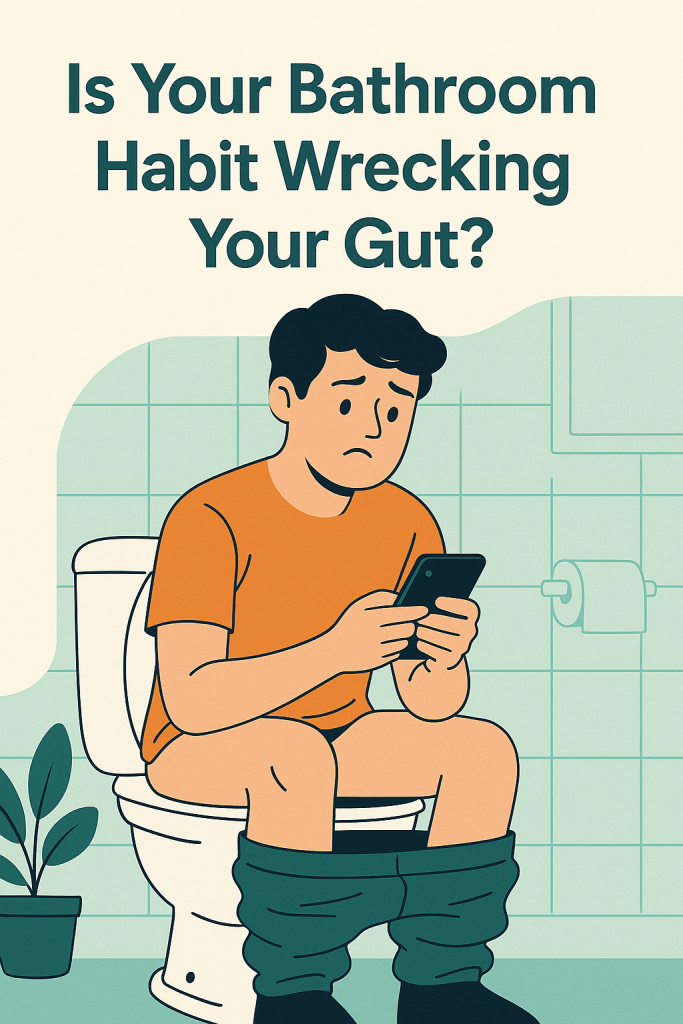
  • We’ve all been guilty of it — scrolling through Instagram, replying to messages, or watching reels while sitting on the toilet. It may seem harmless, even relaxing, but did you know that this habit could be quietly disturbing your gut health?

    Let’s dive into how using your mobile in the washroom might be doing more harm than you think.

    🚽 1. Longer Sitting Time = Strain on Gut & Pelvic Muscles

    Using your phone while on the toilet often leads to longer defecation time. This unnecessary delay can cause:

    Strain on pelvic floor muscles Increased pressure on the rectum, which may lead to hemorrhoids Slower gut motility over time due to altered toilet habits

    These factors can disrupt your body’s natural elimination rhythm and lead to constipation or irregular bowel movements.

    🦠 2. Mobile Phones Carry Toilet Germs

    Bathrooms are filled with aerosolized bacteria — especially if you flush with the lid open. Using your phone during this time means it picks up these germs. Common bacteria found on phones used in washrooms include:

    E. coli Salmonella Fecal coliforms

    These microbes can travel from your hands to your mouth during meals, disrupting your gut microbiome, and increasing the risk of infections or gut inflammation.

    ⏳ 3. Mindless Toilet Time Affects Gut-Brain Axis

    Your gut and brain are deeply connected. Ideally, bathroom time should be quick and mindful, helping your body focus on elimination. But when you’re distracted by your screen, your brain isn’t fully in sync with your gut signals.

    This disconnect between mind and body may lead to poor bowel habits, incomplete evacuation, and even gut anxiety over time.

    📉 4. Sedentary Patterns Increase Gut Issues

    Extended time sitting — even in the washroom — is still sedentary behavior. Over time, this slows down digestion, leads to bloating, and can contribute to sluggish metabolism. Gut health thrives on movement and good posture, not slouching on a toilet seat for 15–20 minutes with a screen in hand.

    💡 Tips for Gut-Smart Washroom Habits:

    Leave your phone outside the bathroom — let it be a tech-free zone. Keep your toilet time under 5–7 minutes. Focus on your breath or use the time for a short mind-body connection. Flush with the lid down to reduce germ spread. Wash your hands and sanitize your phone regularly.

    🫶 Final Thoughts

    Your gut doesn’t just depend on what you eat — it also responds to your daily behaviors. That 10-minute scroll in the washroom may feel comforting now, but over time it could be undermining your gut health, immunity, and energy levels.

    Protect your gut — and your peace — by keeping your screen time out of the toilet.

  • Have you ever had a “gut feeling” about something? It turns out, that sensation isn’t just in your head—it’s in your belly too. Your gut and brain are deeply connected through a communication network known as the gut-brain axis. This powerful link explains why your digestive health can impact your emotions, mental clarity, and even mood disorders like anxiety and depression.

    Your gut is home to trillions of microbes—collectively known as the gut microbiota—which help produce neurotransmitters like serotonin, often called the “happy hormone.” In fact, about 90% of serotonin is produced in the gut, not the brain. So, if your gut health is off-balance, your mood might be too.

    Poor diet, chronic stress, antibiotics, or lack of fiber-rich foods can disrupt this delicate microbial balance, leading to symptoms like irritability, brain fog, and low energy. On the other hand, a diverse, fiber-rich diet—filled with fruits, vegetables, whole grains, fermented foods, and prebiotics—can help boost beneficial bacteria and improve mental well-being.

    So next time you’re feeling low, anxious, or mentally drained, consider checking in with your gut. Nourishing your digestive system may just be the mood-booster you didn’t know you needed.


  • Heart disease remains one of the leading causes of death globally—and diet plays a major role in either preventing or promoting it. While many people try to “eat healthy,” common dietary mistakes can quietly increase your risk of heart problems. Let’s break down 5 key diet mistakes you must avoid to truly eat for a healthy heart.

    1. Thinking “Low Fat” Means Heart-Healthy

    Many packaged “low fat” products are loaded with added sugars or refined carbs to make up for flavor loss. These raise triglyceride levels and promote insulin resistance—both bad news for your heart.

    👉 Smart Swap: Choose healthy fats like nuts, seeds, olive oil, and avocados. Focus on whole, minimally processed foods.

    2. Skipping Fiber-Rich Foods

    Fiber helps lower cholesterol, improve digestion, and keep you full longer. A fiber-deficient diet increases the risk of heart disease, high cholesterol, and obesity.

    👉 Smart Swap: Include more whole grains (oats, brown rice), legumes, fruits, and vegetables every day. Aim for at least 25–30 grams of fiber daily.

    3. Relying on Processed or Packaged Snacks

    Packaged foods often contain trans fats, sodium, and preservatives, which strain your heart over time. These “hidden enemies” increase blood pressure and inflammation.

    👉 Smart Swap: Replace processed snacks with homemade trail mixes, roasted chickpeas, or fruit with nut butter.

    4. Eating Too Much Salt Without Realizing It

    High sodium intake is one of the top contributors to high blood pressure—a silent killer for your heart. Salt hides in breads, sauces, soups, and even “healthy” cereals.

    👉 Smart Swap: Cook more at home. Use herbs, lemon, garlic, or spices for flavor instead of excess salt. Read nutrition labels for sodium content.

    5. Ignoring Portion Sizes

    Even healthy foods can become unhealthy if eaten in large quantities. Overeating increases body fat, puts stress on the heart, and can lead to metabolic syndrome.

    👉 Smart Swap: Practice mindful eating—eat slowly, stop when 80% full, and serve food on smaller plates to control portions naturally.

    💡 Final Thoughts from Berryvive Wellness

    Eating for a healthy heart isn’t about strict diets or deprivation. It’s about making smart, sustainable choices and avoiding common mistakes that silently damage your health. Begin with small changes, and your heart will thank you in the long run.

    💚 Need help creating a heart-friendly meal plan?

    Let’s design one tailored for you!

  • Travel and social gatherings often revolve around food. Whether you’re exploring new cuisines in a different city or catching up with friends over dinner, it’s easy to lose track of mindful eating habits. But the good news? You can enjoy your meals and stay in tune with your health goals — all without guilt or restriction.

    Let’s look at practical, realistic strategies to help you eat mindfully while traveling or dining out.

    🌿 What Is Mindful Eating?

    Mindful eating is the practice of being fully present during your meals. It’s about listening to your body’s hunger and fullness cues, savoring flavors, and making conscious food choices — instead of eating on autopilot or out of emotion.

    ✈️ Tips for Mindful Eating While Traveling

    1. Stay Hydrated First

    Thirst often disguises itself as hunger. Start your day with water and carry a reusable water bottle. Staying hydrated helps regulate appetite and reduces mindless snacking.

    2. Keep Healthy Snacks Handy

    Pack nutrient-dense snacks like mixed nuts, roasted makhana, protein bars, or fruit. This helps you avoid grabbing ultra-processed foods out of urgency.

    3. Follow the 80/20 Rule

    Eat nourishing meals 80% of the time — think grilled veggies, lean proteins, whole grains — and allow yourself to indulge 20% of the time. Food is also about joy, so don’t skip the local delicacies completely!

    4. Don’t Skip Meals

    Skipping meals thinking you’ll “save calories” often backfires. It leads to overeating later. Instead, eat small, balanced meals at regular intervals.

    5. Practice Portion Awareness

    Buffets and travel portions can be oversized. Instead of finishing everything on your plate, eat until you’re 80% full. Share dishes if needed.

    🍽️ Mindful Eating Tips at Restaurants

    1. Scan the Menu First

    Before ordering, glance through the full menu. Look for grilled, steamed, or baked options. Avoid items described as creamy, fried, crispy, or buttery unless you’re truly craving them and plan your portions.

    2. Eat Slowly & Savor

    Chew slowly and pause between bites. Enjoy the aroma, texture, and taste. This gives your brain time to register fullness — often within 20 minutes.

    3. Start with a Salad or Soup

    Having a fiber-rich salad or light soup before your main course helps curb overeating and increases nutrient intake.

    4. Be Conscious of Beverages

    Sweetened beverages, cocktails, and mocktails are loaded with sugar. Choose water, infused water, lemon soda, or herbal teas when possible.

    5. Don’t Let Guilt Win

    If you overindulge, don’t punish yourself. One meal doesn’t define your health journey. Just return to balanced eating with your next meal.

    🌟 Final Thoughts

    Mindful eating while traveling or dining out isn’t about perfection — it’s about awareness. Enjoy your meals, connect with your surroundings, and honor your body’s signals. Every choice is a step toward vibrant living.

  • Festivals bring joy, laughter, family gatherings—and let’s admit it—a whole lot of food! From sweets to deep-fried delicacies, it’s easy to lose track of how much and what we’re eating. While it’s perfectly okay to indulge occasionally, practicing mindful eating during festivals helps you enjoy the moment without the guilt, bloating, or energy crashes afterward.

    🎉 Why Mindful Eating Matters During Festivals

    Avoids overeating: When you slow down and savor food, you’re less likely to overindulge. Improves digestion: Chewing thoroughly and eating calmly supports better gut health. Helps stay connected to your body: You recognize when you’re full and when you’re just tempted by taste or social pressure.

    🍽️ Simple Mindful Eating Tips for Festive Days

    1. Start with Awareness

    Before reaching for a snack or sweet, ask yourself:

    👉 Am I truly hungry, or just eating because it’s in front of me?

    2. Eat Without Distractions

    During family gatherings, it’s easy to eat while chatting or watching TV. Instead:

    🍲 Focus on the food.

    👃 Smell it, observe the colors, feel the texture, and taste every bite.

    3. Portion Control Is Key

    Festive thalis are often overloaded. Try:

    ✅ Taking small portions of everything instead of large helpings.

    ✅ Using a smaller plate to trick your brain into satisfaction with less.

    4. Respect Your Fullness

    Pause halfway through your meal.

    🧠 Ask: “Am I still hungry, or am I just eating because it tastes good?”

    It’s okay to save something for later!

    5. Choose Mindfully

    Not all dishes are equal in nutrition or calorie load.

    🌱 Balance heavy items with salads or lighter foods.

    🍬 Choose your favorite sweet instead of eating all types.

    6. Hydrate Smartly

    Sometimes thirst feels like hunger.

    💧 Sip on water or herbal teas between meals.

    🥤 Avoid sugary drinks—they add hidden calories without satisfying hunger.

    7. Don’t Skip Meals to Compensate

    Many people skip lunch to “save space” for dinner. This backfires.

    ⚠️ You’ll be ravenous later, leading to overeating and poor digestion.

    ✅ Eat balanced meals through the day and enjoy festive food in moderation.

    ✨ Final Thought

    Food is a beautiful part of celebration—but it shouldn’t leave you feeling uncomfortable, sluggish, or guilty. Mindful eating allows you to enjoy your favorite festival treats fully—with awareness, balance, and joy.

    So this festive season, eat with all your senses—not just your mouth.

    Your body and mind will thank you!

    💚 Follow @Berryvive_Wellness on Instagram for daily wellness tips

    📩 DM us for personalized festive diet plans

    📱 WhatsApp: 8533971995 | 📧 berryvive20@gmail.com

  • What is Hypertension?

    Hypertension, or high blood pressure, is when the force of blood against your artery walls is consistently too high. It often develops over years and can silently damage the heart, kidneys, and brain without showing symptoms. Left unmanaged, it increases the risk of heart attack, stroke, and kidney disease.

    Why Diet Matters

    One of the most effective non-medication ways to control high blood pressure is through diet. Among all approaches, the DASH Diet (Dietary Approaches to Stop Hypertension) stands out.

    🌿 What is the DASH Diet?

    The DASH diet is rich in nutrients like potassium, magnesium, calcium, and fiber—all known to help control blood pressure. It’s low in sodium, saturated fat, and added sugar. It’s not just a “diet” but a sustainable eating pattern for lifelong heart health.

    🥗 Key Principles of the DASH Diet:

    ✅ Eat More:

    Fruits & Vegetables (4–5 servings each/day) Whole Grains like oats, brown rice, quinoa Low-Fat Dairy (2–3 servings/day) Nuts, Seeds & Legumes (4–5 times/week) Lean Proteins like fish, chicken, tofu

    🚫 Limit:

    Salt/Sodium (Aim for <1500–2300 mg/day) Processed & Packaged Foods Sugary drinks and sweets Red meats (consume in moderation)

    💡 Sample DASH Meal Plan (One Day):

    Breakfast:

    Oats with banana slices, chia seeds & low-fat milk

    Lunch:

    Quinoa salad with chickpeas, cucumber, tomato, olive oil & lemon dressing

    Snack:

    A handful of unsalted almonds + apple

    Dinner:

    Grilled fish with sautéed spinach and roasted sweet potatoes

    🧂 Tip to Reduce Sodium Naturally:

    Use herbs like basil, mint, turmeric, and cumin instead of salt. Rinse canned beans and vegetables before use. Always check food labels for “low sodium” options.

    Final Thought

    The DASH diet isn’t just for people with high blood pressure—it’s a blueprint for healthy living. Small, consistent changes in your daily meals can lead to lasting results. And the best part? It’s practical, flexible, and family-friendly.

    🌿 Let your plate be your prescription!

    📩 Want a DASH-friendly meal plan personalized for you or your loved ones? Contact us at:

    📧 berryvive20@gmail.com | 📱 WhatsApp: 8533971995

    📲 Instagram: @Berryvive_Wellness