Gut health is at the center of our overall well-being. From digestion and immunity to mood and metabolism, the trillions of microbes living in your intestines play a powerful role. You’ve probably heard of probiotics and prebiotics—two buzzwords in nutrition. But what’s the difference, and which one does your gut really need?
Let’s break it down in simple terms.

What Are Probiotics?
Probiotics are live beneficial bacteria that add to the population of good microbes in your gut.
Think of them as the “good guys” that keep your digestive system balanced.
Common Sources of Probiotics:
Yogurt with live cultures
Kefir
Kimchi
Sauerkraut
Miso
Kombucha
Benefits of Probiotics:
Restore healthy gut flora after antibiotics
Reduce bloating, gas, and digestive discomfort
Boost immunity by crowding out harmful bacteria
May improve skin health and mood
What Are Prebiotics?
Prebiotics are non-digestible fibers that feed the good bacteria already living in your gut.
Think of them as “fertilizer” that helps probiotics grow and thrive.
Common Sources of Prebiotics:
Garlic
Onion
Bananas (especially slightly green ones)
Oats
Apples
Asparagus
Flaxseeds
Benefits of Prebiotics:
Promote growth of healthy bacteria
Improve digestion and regular bowel movements
Enhance mineral absorption (like calcium and magnesium)
Support better blood sugar balance
Probiotics vs Prebiotics: The Key Difference
Probiotics = The actual beneficial bacteria you introduce into your gut.
Prebiotics = The food for those bacteria to stay alive and active.
In simple words: Probiotics are like planting seeds, while prebiotics are like watering and nourishing the soil.
Do You Need Both?
Yes! For optimal gut health, you need a combination of both:
Without prebiotics, probiotics can’t survive for long. Without probiotics, prebiotics don’t have much effect.
This combo is called synbiotics—a powerful pairing for gut health.
How to Add Them to Your Diet
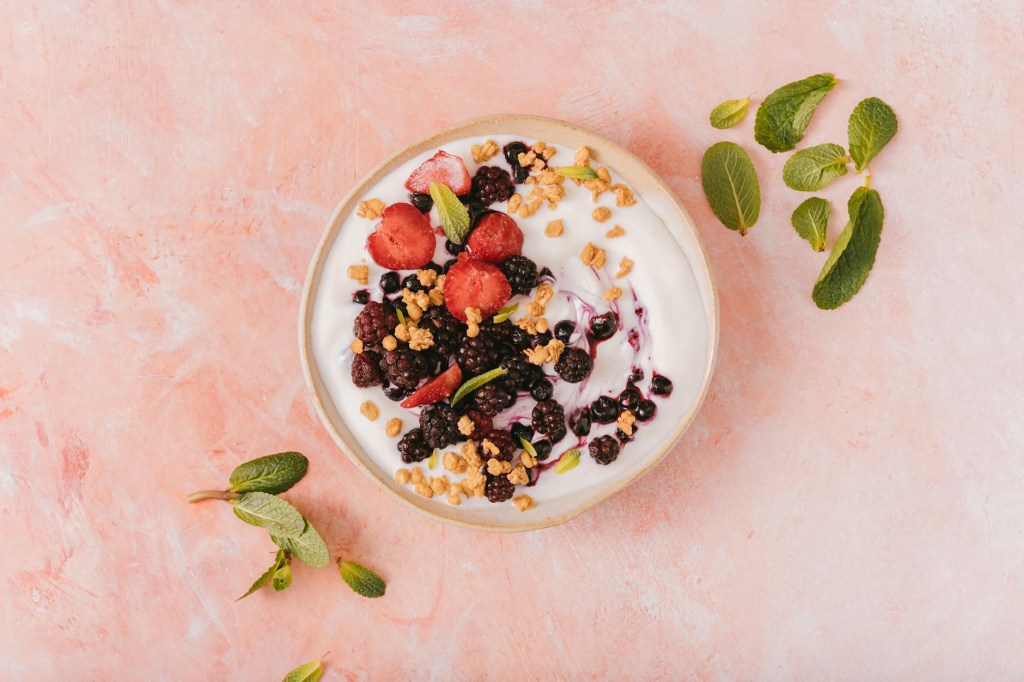
Start your day with oats + banana + yogurt (prebiotic + probiotic).
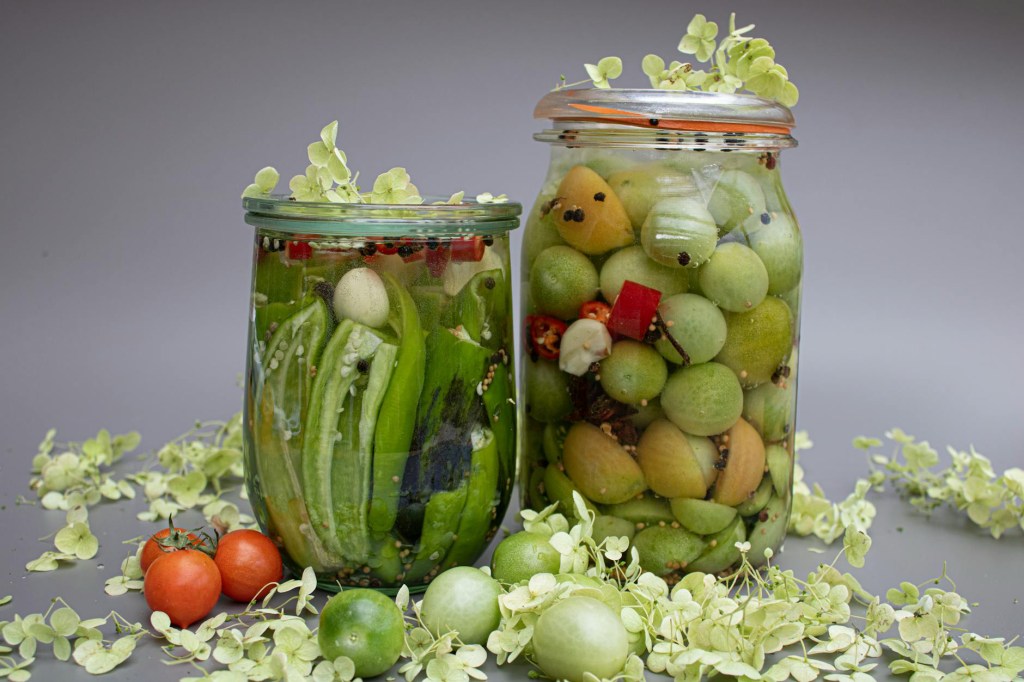
Add fermented foods like kimchi or pickles alongside meals.
Snack on apple slices with flaxseeds.
Drink buttermilk or kefir after lunch.
Final Takeaway
Your gut doesn’t need you to choose between probiotics and prebiotics—it needs both working together. By adding a variety of fermented foods and fiber-rich plant foods to your daily diet, you can naturally nourish your microbiome and unlock better digestion, immunity, and overall health.
✨ Happy Gut = Happy You!


 Berryvive Wellness
Leave a reply to pk 🌎 Cancel reply