Welcome to Berryvive Wellness, where smart nutrition meets vibrant living. We are passionate nutrition experts dedicated to helping you live healthier, naturally. With a science-backed and personalized approach, we guide you in managing weight, diabetes, hypertension, and cholesterol through sustainable dietary changes. At Berryvive, we believe wellness isn’t a trend — it’s a way of life. Let us help you nourish your body, restore balance, and feel your best, every day.
When it comes to balanced nutrition, fats often get a bad name. But not all fats are harmful—some, like the ones found in ghee, are actually beneficial when consumed in moderation.
Adding just 1 teaspoon of ghee to your daily meal can be a smart way to introduce healthy fats into your diet. Ghee is rich in butyric acid, omega-3 fatty acids, and fat-soluble vitamins (A, D, E, and K) that support digestion, hormone balance, and overall immunity.
Healthy fats like those in ghee help your body absorb important nutrients, improve skin health, and keep you feeling full longer—reducing unnecessary cravings.
🔸 Who is this for?
This small addition is ideal for normal, healthy individuals looking to improve the nutritional quality of their meals.
⚠️ Note:
If you have specific health conditions like high cholesterol, fatty liver disease, or other liver-related issues, your fat intake needs to be customized. In such cases, consult a dietitian before making changes to your diet.
🌿 Eat smart. Stay vibrant.
Follow @Berryvive_Wellness for more easy nutrition tips!
In today’s fast-paced world, we’ve all been guilty of scrolling through our phones or binge-watching our favorite show during lunch. But what if this seemingly harmless habit is silently sabotaging your health and relationship with food?
It’s time to hit pause—literally. Let’s talk about why having your lunch without any distractions can be a simple yet powerful step toward better digestion, mindful living, and long-term wellness.
🌿 The Lost Art of Mindful Eating
Mindful eating is all about being present—really paying attention to the food on your plate, the flavors, textures, aromas, and your body’s hunger and fullness cues.
When you’re eating in front of a screen, your mind is occupied elsewhere. You don’t register how much you’re eating or how your body is responding. This often leads to overeating, poor digestion, and even emotional eating.
🍴 What Happens When You Eat Without Distractions?
Here’s what changes when you commit to a screen-free lunch:
✅ Better Digestion
Your digestive system works best when your nervous system is calm and focused. Watching intense videos or checking emails while eating can put your body in a stressed state, hindering digestion.
✅ Improved Portion Control
Without distractions, you’re more in tune with your body. You’ll recognize when you’re full and are less likely to overeat.
✅ Greater Enjoyment of Food
When you focus on your meal, you start appreciating the textures, flavors, and effort that went into preparing it. You enjoy your food more, and satisfaction increases—even with smaller portions.
✅ Mental Clarity and Stress Relief
Taking a break from screens can reduce mental clutter. A peaceful lunch break can refresh your mind and lower stress levels—something we all need more of!
📵 Why No Phone, No TV?
Even though it might feel like “just a few minutes” of watching reels or scrolling, studies show that multitasking during meals disconnects you from the eating experience. This “mindless eating” contributes to weight gain and poor food choices.
Instead, try these alternatives:
Eat in silence and observe your thoughts. Look outside a window or enjoy nature. Chat with your family or co-worker in real life. Practice gratitude for your food.
🌸 A Simple Challenge for You
For the next 7 days, commit to eating your lunch without your phone or TV. Just you and your meal. Notice how you feel—physically and emotionally.
Start small. Even one mindful meal a day can bring big changes.
💬 Final Thoughts
Disconnecting from your phone or TV during lunch may feel strange at first, but it’s a small step that can lead to a major shift in how you relate to food and your body.
Mindful eating is not a diet—it’s a way of nourishing yourself with full awareness.
So tomorrow, when you sit down for lunch, leave your screen behind. Let your meal be your only focus.
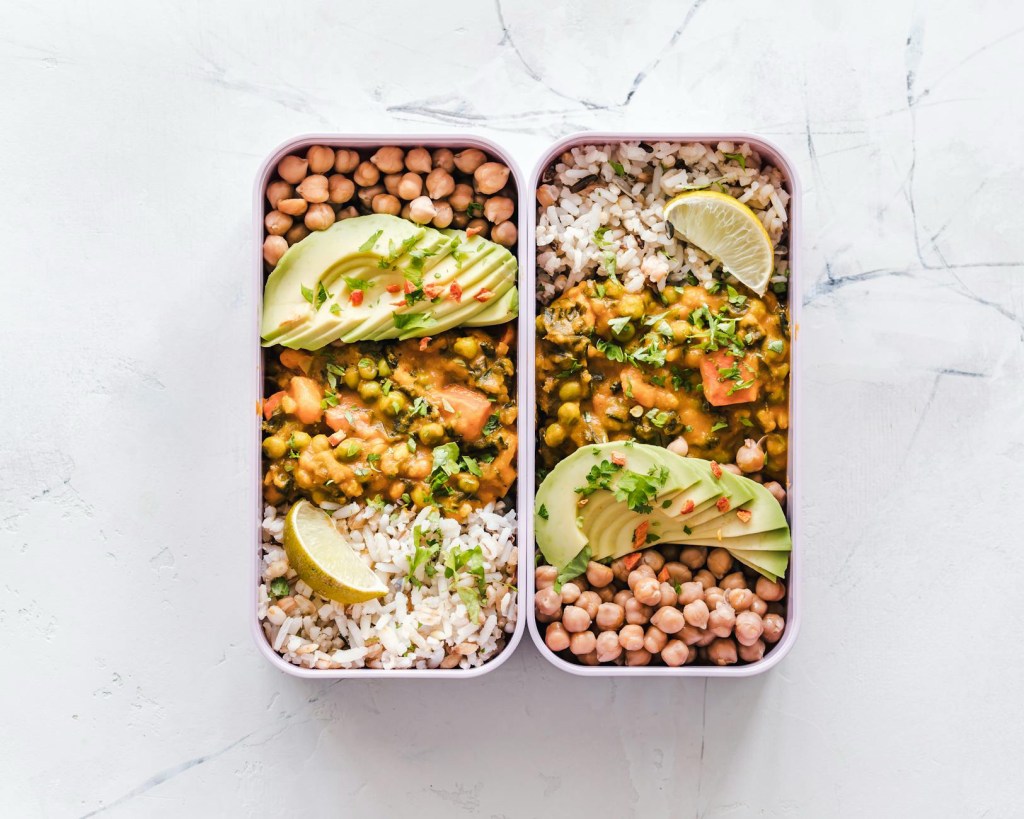
In our kitchens, white rice and maida (refined flour) have been long-standing staples — from fluffy biryanis and crispy bhaturas to soft naans and comforting khichdi. But have you ever wondered what happens to your body every time you consume these polished, nutrient-stripped ingredients?
It’s time to make a small but powerful switch — from refined grains to whole grains. Your body, mind, and metabolism will thank you for it!
What Are Whole Grains?
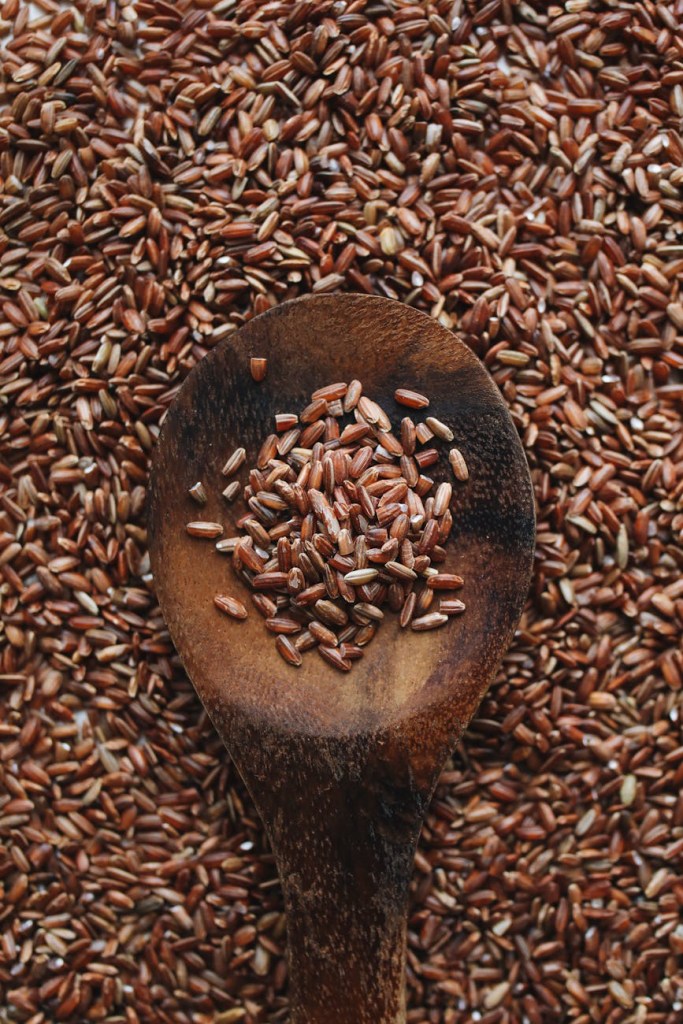
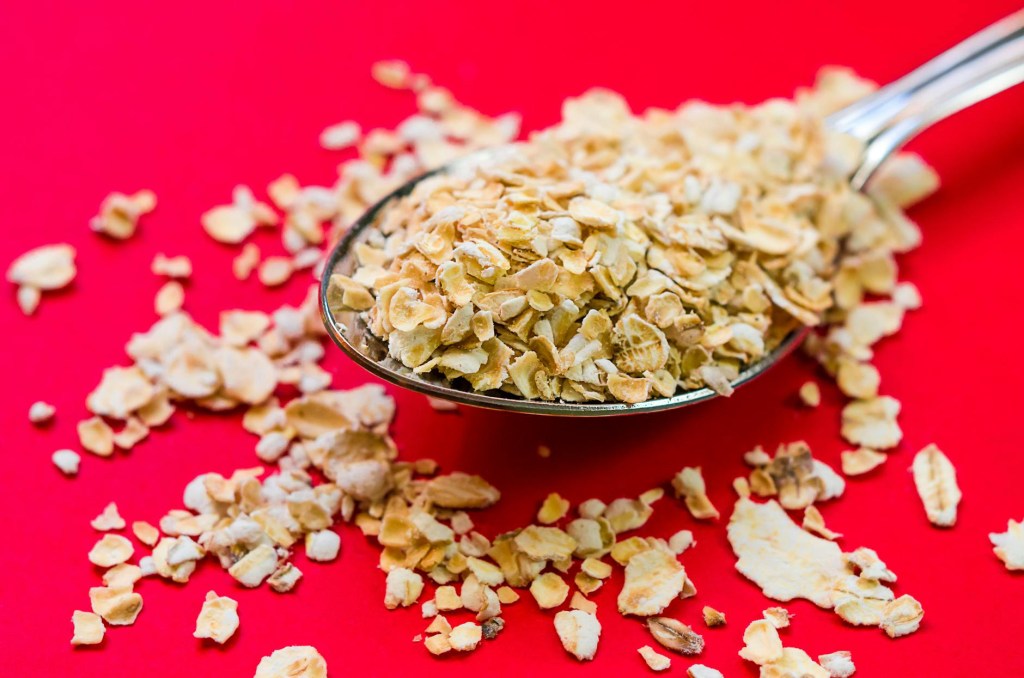
Whole grains include all parts of the grain — bran, germ, and endosperm — making them rich in fiber, B vitamins, antioxidants, and minerals like magnesium and iron. Common whole grains include:
Refined grains like maida and white rice, on the other hand, are stripped of the bran and germ, which removes most of the nutrients and fiber — leaving behind just the starchy core.
Why Make the Switch?
🌾 1. Improved Digestion
Whole grains are high in dietary fiber, which promotes healthy digestion, regular bowel movements, and prevents constipation.
❤️ 2. Better Heart Health
Studies show that whole grains can lower bad cholesterol (LDL) and reduce the risk of heart disease and stroke.
🩺 3. Blood Sugar Management
Whole grains have a lower glycemic index compared to white rice or maida. This helps stabilize blood sugar levels — crucial for preventing and managing diabetes.
⚖️ 4. Weight Management
Fiber keeps you full longer, reducing overeating and unnecessary snacking. It supports healthy weight loss and reduces belly fat.
🧠 5. Brain & Energy Boost
Whole grains offer slow-releasing energy and are rich in B vitamins, essential for brain function and reduced fatigue.
Easy Swaps You Can Start Today
Replace white rice with brown rice, millets, or quinoa. Swap maida-based breads (like white bread or naan) with whole wheat chapatis or multigrain breads. Use oats instead of suji or maida in pancakes, chillas, or idlis. Try baking with whole wheat flour, almond flour, or ragi flour instead of maida. Add cooked barley or bulgur to soups, salads, and khichdi.
Real Change Starts With Small Steps
At Berryvive Wellness, we believe in practical, sustainable changes — not drastic diets. Replacing white rice or maida with whole grains isn’t a fad — it’s a lifestyle shift toward long-term wellness.
Start by replacing just one meal a day with a whole grain version. Your palate will adjust, and soon your body will begin to feel the difference — lighter, more energetic, and balanced.
Need Guidance?
If you’re not sure where to start or how to cook whole grains deliciously, we’re here to help!
Get personalized meal plans, whole grain-based recipes, and support tailored to your needs.
Water is the essence of life. From aiding digestion to boosting skin glow, staying hydrated plays a vital role in your overall well-being. Yet, many of us unknowingly go hours without sipping enough water. That’s where tracking your water intake becomes a game-changer!
Let’s explore why it’s important, how much you really need, and easy ways to stay on top of your hydration goals.
🌟 Why Is Tracking Your Water Intake Important?
Even mild dehydration can cause fatigue, headaches, brain fog, and even cravings. Keeping an eye on your water intake helps:
Maintain energy levels Improve digestion and metabolism Regulate body temperature Support kidney detoxification Improve skin health and elasticity
If you’re someone who’s always “forgetting to drink water,” tracking can be your gentle nudge toward healthier habits.
🧮 How Much Water Do You Really Need?
A common recommendation is 8-10 glasses per day, but needs vary by person.
Here’s a simple thumb rule:
👉 Drink at least 30–35 ml of water per kg of body weight.
For example, a 60 kg person needs approximately 1.8 to 2.1 liters/day.
Factors that increase your water needs:
Hot/humid weather Exercise or physical activity High protein or high fiber diet Illness or fever Pregnancy or breastfeeding
📊 Benefits of Tracking Water Intake
When you start recording your daily water consumption, you become more aware of your habits. This awareness can:
Prevent underhydration Help build a consistent routine Boost weight loss efforts Ensure hydration goals are met Reduce unnecessary snacking (many people confuse thirst with hunger)
✅ Simple Ways to Track Water Intake
Here are some easy and effective methods you can try:
1. Use a Water Tracking App
Apps like Water Reminder, Hydro Coach, or MyFitnessPal help log your intake, send reminders, and show your progress throughout the day.
2. Mark Your Bottle
Use a reusable bottle with hourly time markings. These visual cues act as reminders to drink water steadily instead of all at once.
3. Set Hourly Alarms
Set gentle reminders on your phone to take a few sips every hour, especially if you have a sedentary desk job.
4. Maintain a Hydration Journal
Write down how much you drink each time. It sounds old-school but works wonders for those who love journaling or daily planners.
💡 Smart Tips to Boost Your Water Intake
Start your morning with a glass of warm water Keep a bottle near your workspace and bed Flavor your water naturally (add lemon, mint, or cucumber) Drink a glass of water before every meal Replace sugary drinks with infused water
🥗 Remember: Hydration Supports Your Nutrition Goals
As a wellness brand, we at Berryvive Wellness emphasize that proper hydration amplifies the benefits of any diet plan—be it for weight loss, detox, or overall health. When your body is well-hydrated, nutrients are absorbed better, digestion improves, and you feel more energetic and focused.
📝 Final Thoughts
Water may seem like a small part of your daily routine, but consistently tracking it can create a ripple effect on your overall health. Start today—whether it’s using an app or simply checking off glasses on a sticky note.
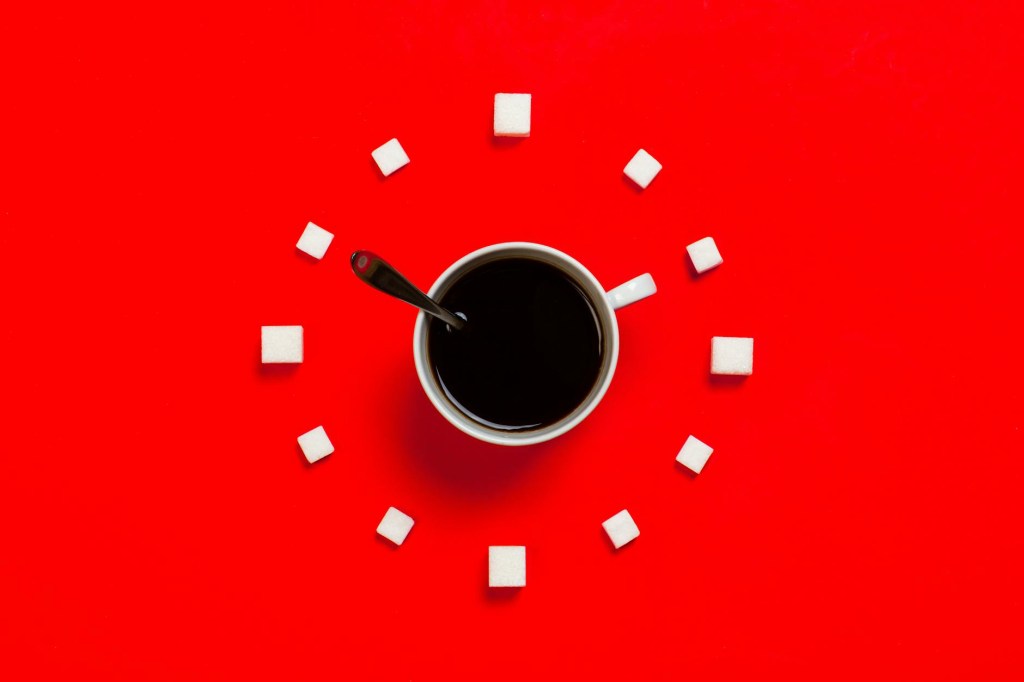
Caffeine is the most widely consumed stimulant in the world—and for good reason. It can boost alertness, enhance mood, and even improve focus. But just like anything else, too much of a good thing can backfire. 🌪️
At Berryvive Wellness, we believe in smart, balanced nutrition—not extremes. So today, we encourage you to limit your caffeine intake to just 1–2 cups and here’s why.
🚫 The Side Effects of Too Much Caffeine
1. Increased Anxiety and Jitters
High doses of caffeine can stimulate your nervous system too much, causing:
Restlessness Racing heart Shaky hands Feeling on edge or irritable
If you’ve ever had one cup too many and felt like you were about to jump out of your skin—you know exactly what we mean.
2. Disturbed Sleep Patterns
Caffeine has a half-life of about 5 to 7 hours, which means even that afternoon cup can affect your sleep at night. Poor sleep doesn’t just make you tired—it:
Increases hunger hormones Slows metabolism Impacts mental focus the next day
3. Digestive Issues
Overconsumption can irritate your stomach lining, leading to:
Acid reflux Bloating Upset stomach
If you’re experiencing gut issues, caffeine might be part of the problem.
4. Increased Dependence
Your body can build a tolerance to caffeine, meaning you need more and more to get the same effect. That’s a slippery slope toward dependence and withdrawal symptoms like:
Headaches Fatigue Mood swings
5. Impact on Nutrient Absorption
Too much caffeine can interfere with the absorption of important nutrients like:
Iron Calcium B vitamins
This can affect everything from your energy levels to bone health and immunity.
✅ What’s a Healthy Limit?
We recommend sticking to:
1–2 cups of coffee or tea per day (roughly 100–200 mg caffeine) Avoid caffeine after 2 PM to protect your sleep Hydrate more—balance every caffeinated drink with a glass of water
🍵 Try This Instead:
Herbal Teas like chamomile, tulsi, or peppermint Detox water with lemon, cucumber, and mint A quick walk in sunlight to naturally energize your body
Final Thought from Berryvive 🌿
Your body deserves calm energy—not caffeine-induced chaos. Today, challenge yourself to pause, breathe, and fuel your body in a gentler, more sustainable way.
In our fast-paced, screen-heavy work life, it’s easy to lose track of time and find ourselves glued to our chairs for hours. But did you know that sitting for too long can affect your posture, circulation, and even your mental focus?
That’s why taking a 2–5 minute stretch break every hour isn’t just a luxury—it’s a necessity for your physical and mental well-being.
🌟 Why Hourly Stretch Breaks Matter:
1. Boosts Circulation:
Sitting too long reduces blood flow, especially to your legs and back. A quick stretch boosts circulation, reducing the risk of stiffness, swelling, or varicose veins.
2. Improves Focus and Productivity:
Short breaks help refresh your mind. A few mindful stretches can release muscle tension and increase alertness—so you can return to your task sharper than before.
3. Reduces Aches and Pains:
Neck pain, back stiffness, and wrist strain are common in desk jobs. Regular stretching keeps muscles flexible and joints mobile, helping you prevent discomfort.
4. Supports Better Posture:
Stretching strengthens your core muscles and encourages correct alignment, which reduces slouching and postural fatigue.
🧍♀️ Quick Stretch Ideas for Office or Home:
Neck Rolls – Gently roll your neck clockwise and counter-clockwise to relieve tension. Shoulder Shrugs – Lift and drop your shoulders to release stress. Torso Twist – Sit tall and gently twist your torso left and right. Wrist Stretch – Extend one arm, palm down, and gently pull back fingers with the opposite hand. Standing Forward Fold – Stand up, reach for your toes, and breathe deeply.
⏰ Set a Reminder
Use a timer, smartwatch, or desktop app to remind you every hour to pause and stretch. It only takes 2–3 minutes to give your body the care it deserves!
💡 Wellness Tip from Berryvive Wellness:
Your body isn’t designed to stay in one position all day. Give it the gift of movement, even in small doses. Stretch. Breathe. Refresh.
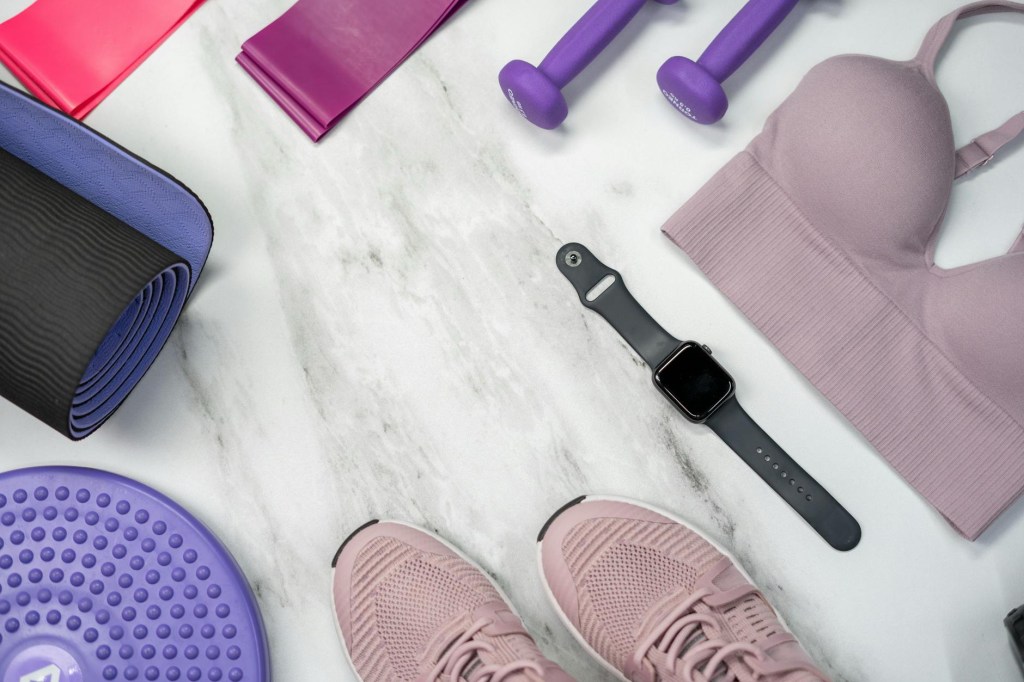
Life can get hectic, but your fitness doesn’t have to suffer. A quick 10-minute home workout—without any equipment—can boost your energy, improve your mood, and support your health goals. Whether you’re working from home, caring for family, or juggling multiple roles, this is your reminder: you can still move your body and feel great.
Why 10 Minutes Matter
Even just 10 minutes of exercise can:
Improve circulation and heart health Boost metabolism Relieve stress Enhance focus and productivity
Try This 10-Minute Routine:
Repeat the circuit 2 times:
Jumping jacks – 1 min Bodyweight squats – 1 min Push-ups (on knees if needed) – 1 min High knees – 1 min Plank – 1 min
Modify based on your fitness level. Just keep moving and stay consistent!
Final Note:
No fancy gear. No gym. Just your body and 10 minutes. Do it in the morning to kickstart your day, or anytime you need a mood lift. Your health is worth these 10 minutes.
—
💚 Berryvive Wellness – Vibrant Living Through Smart Nutrition & Movement
📩 DM us on Instagram @berryvive_wellness to get more healthy habits tips!
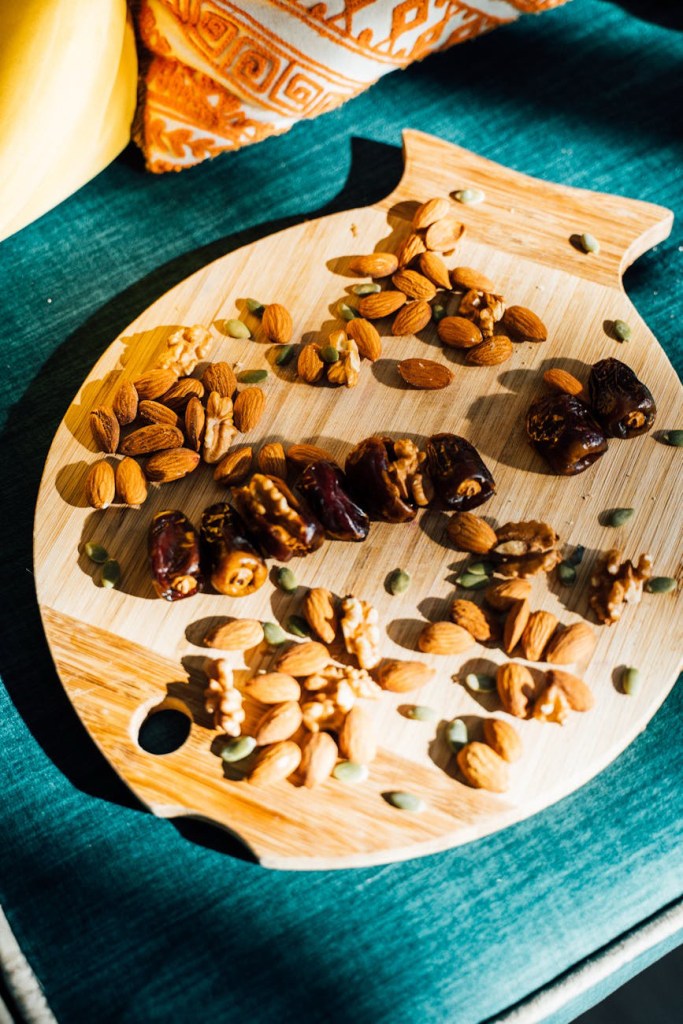
Want a simple change that can supercharge your nutrition? Just add a handful of nuts or seeds to your day!
These tiny powerhouses are packed with healthy fats, plant-based protein, fiber, vitamins, and minerals that support your overall well-being.
My morning boosters
🔸 Why it’s important:
Heart Health: Nuts like almonds, walnuts, and flaxseeds are rich in omega-3s and unsaturated fats that help lower bad cholesterol. Better Digestion: Seeds like chia and pumpkin seeds offer fiber that supports gut health and regular bowel movements. Blood Sugar Control: Including nuts can help stabilize blood sugar levels, especially when eaten as part of a balanced snack. Weight Management: Contrary to the myth, nuts and seeds (in moderation) help with satiety, reducing overeating. Nutrient Boost: They’re full of magnesium, zinc, vitamin E, and antioxidants – essential for immunity, skin, and brain health.
✅ How to add them:
Sprinkle chia or flaxseeds on your smoothies or curd. Add a handful of roasted almonds or walnuts as an evening snack. Mix sunflower or pumpkin seeds into your salads or homemade granola.
💡 Just remember: stick to around 25–30g per day (about a small handful) to keep it balanced.
In our fast-paced world, it’s easy to reach for a packet of chips, biscuits, or instant noodles when hunger strikes. These foods are everywhere — quick, convenient, and tasty. But have you ever paused to check what’s really inside that packet?
Today, we encourage you to take a small but powerful step towards better health: Avoid ultra-processed packaged foods.
What Are Ultra-Processed Foods?
Ultra-processed foods are products made mostly from artificial ingredients, preservatives, refined sugars, and unhealthy fats. These include:
Packaged snacks (chips, namkeens, biscuits) Instant noodles and ready-to-eat meals Sugary breakfast cereals Carbonated soft drinks and energy drinks Packaged sweets, cakes, and candies
They are often low in fiber and nutrients but high in empty calories — meaning they fill your stomach but do little to nourish your body.
Why Should You Avoid Them?
Hidden Sugar and Salt: These foods are often overloaded with sugar and sodium, leading to weight gain, high blood pressure, and increased risk of diabetes. Poor Gut Health: Ultra-processed foods can harm your gut bacteria, causing digestive issues, bloating, and reduced immunity. Increased Risk of Lifestyle Diseases: Studies link regular consumption of ultra-processed foods with heart disease, obesity, cholesterol issues, and even some cancers. Low Satiety: You may eat more without feeling full, leading to overeating and unhealthy cravings.
What to Eat Instead?
Fresh fruits, vegetables, and salads Home-cooked meals made with whole ingredients Nuts, seeds, roasted chana, or makhana for snacking Coconut water, lemon water, or herbal teas instead of sugary drinks
Your Health is in Your Hands
Making small changes in your daily food habits can lead to big improvements in your energy levels, weight, digestion, and mood. So today, take this mindful step — avoid ultra-processed packaged foods and choose natural, nourishing options instead.
At Berryvive Wellness, we believe that small lifestyle shifts can lead to powerful health transformations. One such change is simple yet effective: having your dinner before 8 PM. It might sound minor, but this one habit can support your digestion, improve sleep, and even help with weight management.
🌙 Why Does Dinner Timing Matter?
Your body has a natural clock – the circadian rhythm – that influences everything from digestion to hormone release. Eating late at night can interfere with this rhythm, making it harder for your body to rest, repair, and rejuvenate.
✅ Here’s What Happens When You Eat Dinner Earlier:
1. Improved Digestion
Your digestive system slows down as the day progresses. Eating earlier gives your body enough time to digest food before you sleep, reducing bloating, acidity, and indigestion.
2. Better Blood Sugar Control
Eating late can lead to poor blood sugar regulation, especially in people with diabetes or insulin resistance. An early dinner helps maintain stable glucose levels.
3. Better Sleep Quality
A lighter, earlier dinner reduces the chances of discomfort while sleeping. You’ll feel lighter and more relaxed, improving your overall sleep quality.
4. Weight Management
When you eat late, you’re more likely to overeat or snack mindlessly. Early dinners can reduce late-night cravings and unnecessary calorie intake.
🍽️ A Few Tips to Start:
Plan your day’s meals so dinner fits in before 8 PM. Keep dinner light and balanced – include veggies, lean proteins, and whole grains. Avoid screens during meals; mindful eating leads to better satisfaction and digestion. Set an alarm or reminder to start prepping dinner on time.
💡 Challenge Yourself Today!
We challenge you to try eating your dinner before 8 PM tonight. Notice how you feel the next morning – lighter, fresher, and more energized.
💬 Tell us how it goes in the comments or DM us on Instagram – we’d love to hear your experience!
Your Health, Your Time – Make it Count with Berryvive Wellness.













 Berryvive Wellness