Berryvive Wellness

“Vibrant Living Through Smart Nutrition.”

  • Why Should We Break Up with Soft Drinks?

    Soft drinks may taste good, but they do our bodies no favours.

    Sugar overload – A single can often carries more sugar than you should have in an entire day. Empty calories – They fill you up with energy but give you zero nutrition. Hidden chemicals – Colours, preservatives, and caffeine can strain your liver, kidneys, and heart. Weight gain & cravings – The sugar rush feels good for a moment, then drops, making you reach for even more snacks.

    Simply put, regular soda is like a sweet friend who keeps letting you down.

    Meet Your Refreshing Replacements

    Lemon Water

    Vitamin-C boost – Strengthens your immunity and brightens skin. Natural detox – Helps your liver flush out waste. Digestive aid – Warm lemon water can ease bloating and heartburn. Zero calories – Flavour without guilt.

    Coconut Water

    Nature’s sports drink – Rich in potassium, magnesium, and electrolytes. Gentle on the stomach – Hydrates quickly without gas bubbles. Low-calorie sweetness – Light sweetness from natural sugars, not syrups. Heart friendly – May help keep blood pressure in check.

    Both drinks are easy to find in India—lemons at any vegetable stall and fresh coconut water from roadside vendors.

    Simple Ways to Switch Today

    Start your morning right Drink a glass of warm lemon water as soon as you wake up. Carry a sipper bottle Slice half a lemon, drop it into 1 litre of water, and sip all day. Post-workout hydration Swap your sports drink for one tender-coconut (about 200 ml). Party trick Mix chilled coconut water with a splash of lemon juice and mint. It feels fancy but stays healthy. Beat afternoon cravings Instead of grabbing a cola at 4 p.m., squeeze lemon into sparkling water for a fizzy treat.

    Tips to Stay on Track

    Wean off slowly – If you drink two sodas a day, cut down to one, then none. Keep it visible – Place lemons or a tender coconut on your kitchen counter as a reminder. Track your wins – Note how many sodas you skipped this week and how you feel. Celebrate small changes – Better sleep? Less bloating? That’s your body thanking you!

    The Take-Home Message

    Replacing soft drinks with lemon water or coconut water is an easy step with big rewards—fewer calories, more nutrients, and better hydration. Grab a lemon or crack open a coconut today. Your body will thank you with more energy, clearer skin, and a happier gut.

    Ready to make the switch? Pour yourself a glass right now and toast to a healthier you!

  • There’s no better way to begin your day than with a simple 15-minute walk outside. Fresh air, natural sunlight, and gentle movement can do wonders for your body and mind.

    🚶‍♀️ Why a Morning Walk?

    Boosts your mood and energy levels Improves blood circulation and metabolism Helps clear your mind and reduce stress Supports better digestion and focus throughout the day

    🌿 It doesn’t have to be intense — just a calm walk around your neighborhood or nearby park. Listen to your breath, feel the breeze, and take in the quiet moments before the day gets busy.

    Make it your daily ritual. Your body and mind will thank you!

  • In our fast-paced lives, eating has become more of a task to “get done” than a moment to nourish and connect with our bodies. But what if we told you that something as simple as chewing your food slowly—around 20 to 30 times per bite—could significantly improve your digestion, prevent bloating, and even help manage your weight?

    Let’s dive into why this mindful habit matters.

    🍽 Why Chewing Matters More Than You Think

    Digestion begins in your mouth, not your stomach. When you chew thoroughly:

    Saliva is released, containing enzymes like amylase that start breaking down carbohydrates. The food is mechanically broken down into smaller pieces, making it easier for your stomach to handle. Your body gets time to signal fullness, which helps prevent overeating.

    ⚙️ How It Helps Digestion

    Better nutrient absorption Well-chewed food is easier for your body to break down and absorb. Undigested food can pass through your gut without offering its full nutritional value. Less bloating & acidity When food enters your stomach in large chunks, it strains your digestive system, increasing the risk of gas, bloating, and indigestion. Healthy weight control It takes about 20 minutes for your brain to register that you’re full. Eating slowly gives your brain the chance to catch up with your stomach—helping you stop before you overeat.

    ⏱ Try This: The 20–30 Rule

    ✅ With every bite, aim to chew 20 to 30 times before swallowing.

    ✅ Put your spoon down between bites—it helps slow down your pace.

    ✅ Focus on the texture, taste, and aroma—this makes the experience enjoyable and mindful.

    💬 Real Talk: It’s Not Easy at First

    If you’re used to rushing your meals, this change may feel strange. But within a week or two, you’ll notice:

    Less bloating after meals Feeling full on smaller portions Fewer cravings and mindless snacking

    🧠 Mindful Eating = Better Health

    Your stomach doesn’t have teeth—so do your part before food gets there. By simply chewing more, you’re not just helping digestion; you’re building a deeper connection with your food and your body.

    So the next time you sit down to eat, remember this simple rule:

    Chew slowly. Chew often. Feel better.

    At Berryvive Wellness, we focus on small, sustainable habits that support lifelong health. Want personalized support for your digestion, weight, or lifestyle conditions?

    Reach out to us today!

  • We’ve all heard it.

    “Rice makes me fat.”

    “Bananas are too sugary.”

    “Ghee? Oh no, that clogs your arteries.”

    Let’s pause for a moment and ask ourselves:

    Is it really the food that’s at fault—or is it how we’ve been eating it?

    As a dietician, I’ve seen this pattern time and again. People start cutting out foods they once loved, believing those items are the root of all their health problems. But the truth is often deeper: it’s not the food that’s the problem—it’s our habits surrounding it.

    The Real Problem Isn’t the Roti or the Rice

    It’s the portion size.

    It’s the second serving at 11 PM.

    It’s the skipped breakfast followed by binge-eating in the evening.

    It’s the mindless snacking while scrolling your phone.

    When you eat the right food at the wrong time, or in the wrong amount, even the healthiest food can backfire.

    Food Is Not the Villain. Habits Are.

    Think of your body as a machine and food as its fuel. If the timing, quantity, or quality of that fuel is off, the machine will struggle. But that doesn’t mean the fuel was “bad.” It means the routine needs fixing.

    Stop blaming rice, wheat, oil, or even sugar. These have existed for generations. What has changed is our lifestyle.

    Here’s What You Can Start Doing:

    ✅ Eat mindfully—sit down, chew slowly, and enjoy your food.

    ✅ Stick to regular meal timings—your body loves consistency.

    ✅ Focus on balanced portions—don’t overfill your plate just because it’s your favorite dish.

    ✅ Don’t label food as “good” or “bad”—label your habits instead.

    Final Thought

    It’s not food. It’s you.

    And that’s a good thing—because you can change.

    So, instead of cutting out roti or fearing fruit sugars, take a step back. Reflect on your patterns. And most importantly, build a healthier relationship with food.

    Because when your habits change, your health does too.

  • In today’s fast-paced world, stress often becomes a part of our daily routine. But what if you could reset your mind and body in just 5 minutes? It’s possible—with a simple practice of deep breathing or meditation.

    🌬 Why Just 5 Minutes?

    You don’t need hours to feel calm and focused. Just 5 minutes of conscious breathing or mindfulness can:

    Lower stress hormones (like cortisol) Slow down your heart rate Improve focus and mental clarity Help you respond—not react—to situations Support better digestion and sleep

    🕒 How to Practice It

    Option 1: 5-Minute Deep Breathing

    Sit or lie down comfortably. Close your eyes and take a deep breath in through your nose (4 seconds). Hold it for 2 seconds. Slowly exhale through your mouth (6 seconds). Repeat this cycle for 5 minutes.

    Option 2: 5-Minute Guided Meditation

    Use any meditation app (like Calm, Headspace, or YouTube) and follow a short guided session. Focus on your breath, body, or even a positive thought.

    🧠 Benefits Add Up Over Time

    Doing this once a day can make a big difference in your emotional well-being, productivity, and physical health. It’s a habit worth building.

    ✅ Your Wellness Goal for Today

    Take 5 minutes—right now—to pause, breathe, and just be. You deserve it. 🌿

  • Protein is one of the most important nutrients our body needs every day. It helps build muscles, supports immunity, keeps you fuller for longer, and even helps in weight management!

    ✅ Your simple goal for today: Make sure every meal—breakfast, lunch, and dinner—has at least one good source of protein.

    Here are some easy options to include:

    Breakfast: Eggs, milk, Greek yogurt, paneer, protein shake Lunch: Dal, chana, chicken, fish, tofu, sprouts Dinner: Moong dal, curd, soy chunks, egg curry, grilled paneer

    💡 Tip: Even snacks can have protein! Try roasted chana, boiled eggs, or a handful of nuts.

    Making this one small change daily can lead to better energy, less cravings, and improved health.

  • In today’s digital world, screens are everywhere—phones, laptops, TVs, and tablets. Most of us check our phones right before sleeping, scroll social media in bed, or binge-watch shows late into the night. But did you know this habit could be harming your sleep?

    Let’s talk about why it’s important to cut off screen time at least 1 hour before going to bed—and how it can help you sleep better and feel more energetic the next day.

    🌙 Why Screens Affect Sleep?

    Screens emit blue light, which affects your brain’s ability to produce melatonin—the hormone that makes you sleepy. When you use your phone or watch TV before bed, your brain thinks it’s still daytime and delays the natural sleep process.

    This can lead to:

    Trouble falling asleep Poor sleep quality Feeling tired even after 8 hours in bed

    📵 What Happens When You Avoid Screens Before Bed?

    If you switch off screens an hour before bedtime, you’re giving your brain a chance to relax and produce melatonin naturally. This can help:

    ✅ Fall asleep faster

    ✅ Sleep deeper and longer

    ✅ Wake up fresh and focused

    ✅ Reduce stress and eye strain

    🛏️ What Can You Do Instead?

    Here are some screen-free bedtime ideas:

    Read a book or magazine Listen to calming music or a podcast Practice deep breathing or meditation Write in a journal Prepare for the next day (lay out clothes, plan meals, etc.)

    💡 Tip from Berryvive Wellness

    Make your bedroom a “no-screen zone.” Keep your phone away from the bed or switch to night mode earlier in the evening. Set a reminder to unplug 1 hour before bedtime—you’ll notice the difference in just a few days!

    Remember, good sleep = better health.

    Start small, and your mind and body will thank you.

    If you’d like more tips on sleep, nutrition, and healthy lifestyle habits, stay connected with Berryvive Wellness. We’re here to guide you on your wellness journey!

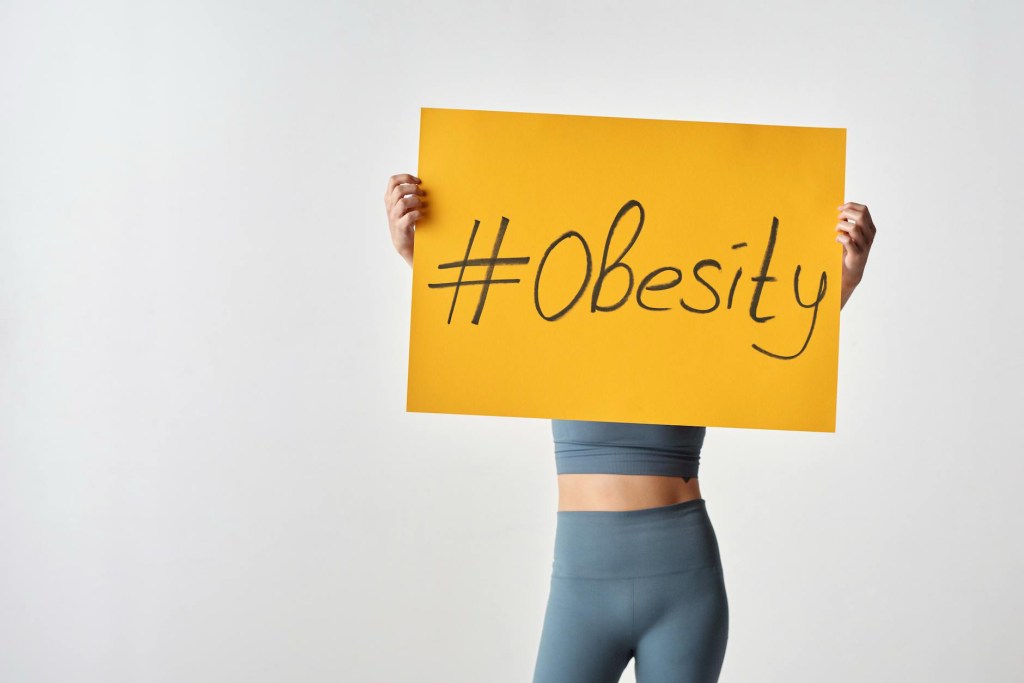
  • It’s common to hear people say, “I feel fine, so I must be healthy,” even when their Body Mass Index (BMI) is above 25. While it’s great to feel good, it’s important to understand that health is more than just how we feel. Obesity is not just about appearance — it’s a chronic disease that silently affects the body in many harmful ways.

    Let’s break the myth that “feeling good” equals “being healthy,” especially when it comes to obesity.

    Obesity is a Disease – Not Just a Number

    The World Health Organization (WHO) and the American Medical Association recognize obesity as a chronic disease. It’s linked to:

    Type 2 diabetes High blood pressure Heart disease Stroke Certain cancers Fatty liver Sleep apnea Infertility and hormonal imbalance

    Even if you “feel okay” today, these conditions often develop silently and show symptoms only when damage has already occurred.

    Feeling Good Doesn’t Mean You’re Metabolically Healthy

    Some people with high BMI may not show symptoms — yet. This is known as “metabolically healthy obesity” (MHO). However, research shows that:

    Most MHO individuals develop health issues over time Hidden inflammation and insulin resistance can already be present Physical strain on joints and organs continues regardless of how you feel

    Good health isn’t just about absence of pain — it’s about prevention and long-term wellness.

    Common Myths Debunked

    Myth 1: I’m active, so I’m healthy.

    You might be physically active, but excess weight can still harm your internal health.

    Myth 2: My tests are normal.

    Blood sugar, cholesterol, and BP may be fine now — but the risk of sudden changes is high when carrying excess weight.

    Myth 3: It runs in my family.

    Genetics may play a role, but lifestyle is still a major influence on weight and health outcomes.

    Why Early Action Matters

    Waiting until you “feel sick” often means it’s too late to reverse some conditions. By recognizing obesity as a disease, we can take early steps through:

    Personalized nutrition plans Sustainable weight management Routine check-ups Holistic lifestyle changes

    Final Thoughts

    At Berryvive Wellness, we believe in preventive health and body positivity — but that also means acknowledging when your weight is silently affecting your health. Feeling good is wonderful, but it shouldn’t replace regular health checks and professional guidance.

    Your weight doesn’t define you — but understanding its impact can help you take control of your long-term well-being.

  • When we think about being healthy, we often focus on eating right and staying active. But there’s another important part we shouldn’t forget — our mental wellness.

    Our mind and body are deeply connected. If we are always stressed, anxious, or feeling low, it can affect our physical health in many ways. For example:

    Stress can lead to high blood pressure or stomach issues Lack of sleep due to worry can weaken our immunity Feeling sad or depressed can make us eat poorly or avoid exercise

    On the other hand, when we take care of our mental health:

    We feel more energetic We make better food choices We stay more active Our body heals better

    Simple ways to support your mental wellness:

    Talk to someone you trust Practice meditation or deep breathing Spend time in nature Take regular breaks and rest Eat nutritious food and stay hydrated

    Remember, true health is not just a fit body but also a calm and happy mind.

    Take care of both — because they work together to keep you well.

  • In today’s health-conscious world, sugar has earned a pretty bad reputation. From being labeled as “toxic” to being blamed for everything from obesity to diabetes, it’s easy to assume that all sugar is harmful. But is sugar really the enemy — or is it our approach to sugar that’s the problem?

    Let’s break it down.

    🍬 What is Sugar, Really?

    Sugar is a simple carbohydrate that provides energy to our body. Naturally occurring sugars are found in fruits (fructose), dairy (lactose), and even vegetables. These natural sugars come packed with fiber, vitamins, and minerals that our body needs.

    Then there are added sugars — found in soft drinks, desserts, packaged snacks, and processed foods. These offer empty calories without any nutritional benefit.

    ⚖️ Why Do We Need Sugar?

    Believe it or not, our body actually needs sugar — in the right form and amount.

    🧠 Brain fuel: Glucose (a type of sugar) is the primary fuel for your brain. Your brain can’t function well without it. 💪 Quick energy source: When you need an instant energy boost, sugar provides fast energy during workouts or recovery. 🤰 In pregnancy and child growth: Sugar in moderation is essential for fetal brain development and growth in children. 🍎 Natural sugars: Fruits and whole grains contain natural sugars that digest slowly and nourish the body.

    🚨 When Does Sugar Become a Problem?

    The real issue is overconsumption and the wrong type of sugar.

    Sugary drinks, refined desserts, and packaged snacks spike your blood sugar quickly — leading to energy crashes, insulin resistance, and weight gain. Eating sugar in isolation (without fiber, protein, or fat) can worsen its impact on blood sugar levels. Most people consume way more added sugar than recommended (less than 25–30g per day as per WHO guidelines).

    ✅ How to Enjoy Sugar the Right Way

    Choose natural sources: Fruits, whole grains, and dairy provide sugar with fiber and nutrients. Pair it wisely: Always pair sweet foods with protein or fat to slow down absorption. Limit added sugars: Read food labels and aim for less than 5–6 teaspoons (25g) of added sugar daily. No “sugar fear”: Occasional sweets in moderation won’t harm you — guilt and restriction are more harmful in the long run.

    🧠 The Bottom Line

    Sugar isn’t your enemy — but mindless, excessive, and processed sugar intake is. Your body needs glucose, but it thrives when sugar comes from whole foods, eaten in balance with fiber, protein, and healthy fats.

    So instead of cutting sugar out completely, let’s relearn how to consume it wisely. A healthy relationship with food includes joy, balance, and awareness — not fear.