Berryvive Wellness

“Vibrant Living Through Smart Nutrition.”

  • Every stage of a woman’s life brings unique nutritional needs. From adolescence to menopause and beyond, eating the right foods at the right time can support hormonal balance, energy, and overall well-being. Here’s a quick guide to what women need at different stages of life:

    👧 1. Adolescence (10–19 years)

    This is the time of rapid growth, hormonal changes, and the start of menstruation.

    Nutritional Focus:

    Iron – for healthy blood and to prevent anemia Calcium & Vitamin D – for strong bones Protein – for muscle development Folate – supports reproductive health

    Tip: Include leafy greens, dairy, nuts, eggs, and whole grains.

    👩‍🎓 2. Reproductive Years (20–40 years)

    Many women plan pregnancies or deal with PCOS, hormonal imbalances, or stress.

    Nutritional Focus:

    Folic acid – essential before and during pregnancy Iron & Vitamin B12 – for energy and healthy menstruation Omega-3 fats – for hormonal balance and mood Antioxidants – support fertility and immunity

    Tip: Add flaxseeds, fish, lentils, berries, and prenatal-friendly foods.

    🤰 3. Pregnancy & Breastfeeding

    Nutrient needs increase to support the baby and the mother’s health.

    Nutritional Focus:

    Extra calories (but healthy!) Folic acid, iron, calcium, iodine, choline Hydration is crucial

    Tip: Eat colorful vegetables, fruits, healthy fats, whole grains, and drink plenty of water.

    👩‍🦳 4. Menopause (45+ years)

    Hormonal changes can lead to bone loss, weight gain, and mood shifts.

    Nutritional Focus:

    Calcium & Vitamin D – protect bone health Phytoestrogens – from soy, flaxseed (may help with hot flashes) Fiber – supports digestion and heart health Healthy fats – for brain and skin

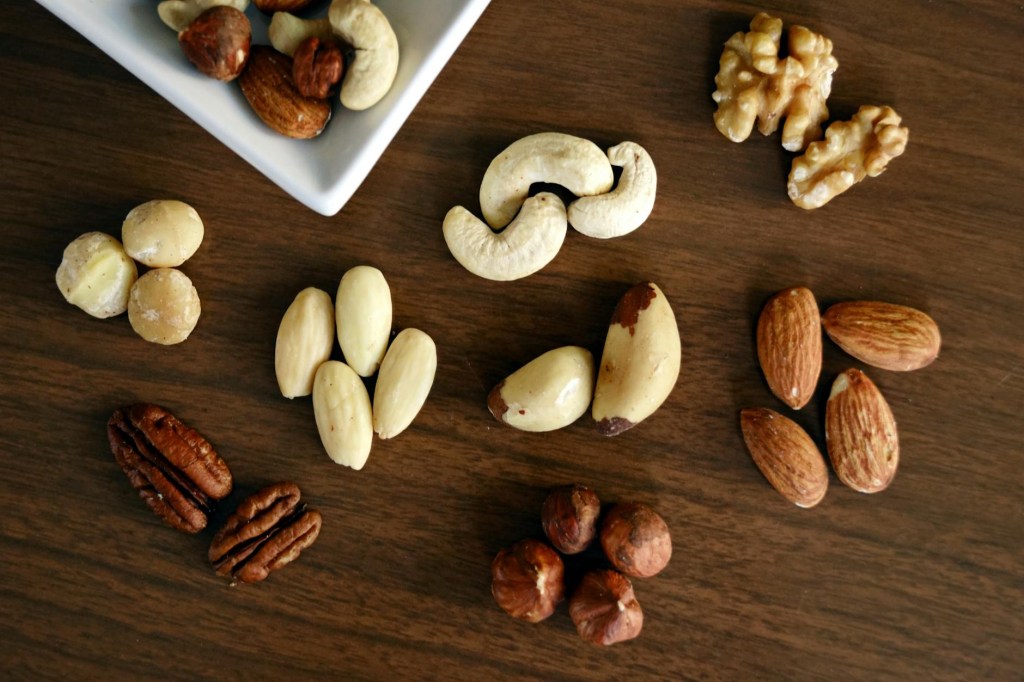
    Tip: Include soy foods, almonds, seeds, oats, and lots of fluids.

    💡 Final Thoughts

    Nutrition isn’t one-size-fits-all. As a woman, your needs evolve with time. Eating mindfully, staying hydrated, and getting regular checkups can help you stay strong at every stage of life.

    👉 Need a personalized plan? Book a consultation today!

    Let’s make wellness a lifelong journey 💪🌸

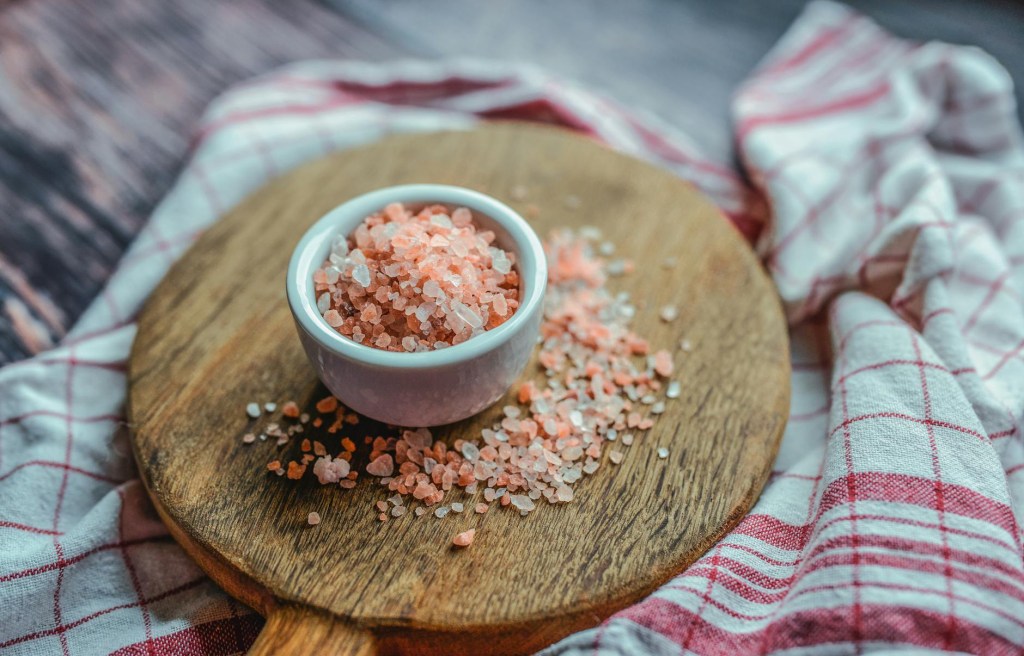
  • I believe no food or ingredient is bad, it’s just we do not control our portion. So let’s talk about salt.

    Salt is often misunderstood—but it plays a vital role in keeping our body healthy and functioning well when consumed in the right amount.

    Why Do We Need Salt?

    Maintains fluid balance – Salt helps your body retain the right amount of water, preventing dehydration.

    Supports nerve and muscle function – Sodium is essential for proper nerve transmission and muscle contraction.

    Regulates blood pressure – The right amount of salt helps balance blood pressure, but too much can lead to hypertension.

    Enhances taste and preserves food – Salt adds flavor and also acts as a natural preservative.

    How Much Salt is Safe?

    According to health guidelines, an adult should consume less than 5 grams (about 1 teaspoon) of salt per day.

    Be Salt-Smart!

    Choose iodized salt to prevent iodine deficiency. Watch out for hidden salt in packaged and processed foods. Balance your intake—don’t eliminate salt completely unless advised by a healthcare professional.

    💡 Remember: Salt isn’t your enemy—excess is. Use it wisely for a healthier body and better wellness!

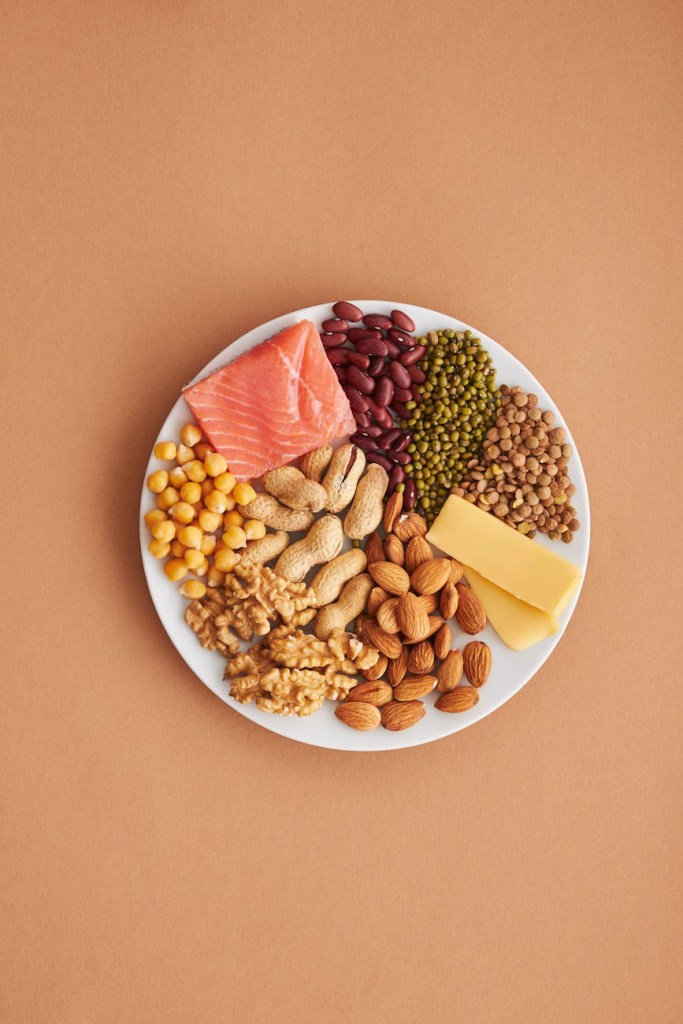
  • When we hear “protein,” many of us instantly think of bodybuilders or gym-goers chugging shakes. But the truth is, protein is essential for everyone, not just fitness enthusiasts.

    Protein plays a vital role in building and repairing tissues, supporting immunity, producing enzymes and hormones, and maintaining healthy skin, hair, and nails. Whether you’re a student, a working professional, or a homemaker, your body constantly needs protein to function properly.

    Lack of protein can lead to fatigue, weak immunity, muscle loss, and slower healing. Including good sources like dals, dairy, eggs, lean meats, soy, nuts, and seeds in your meals can make a big difference in your overall health.

    So next time you plan your plate, remember: protein is not a supplement for some—it’s a necessity for all.

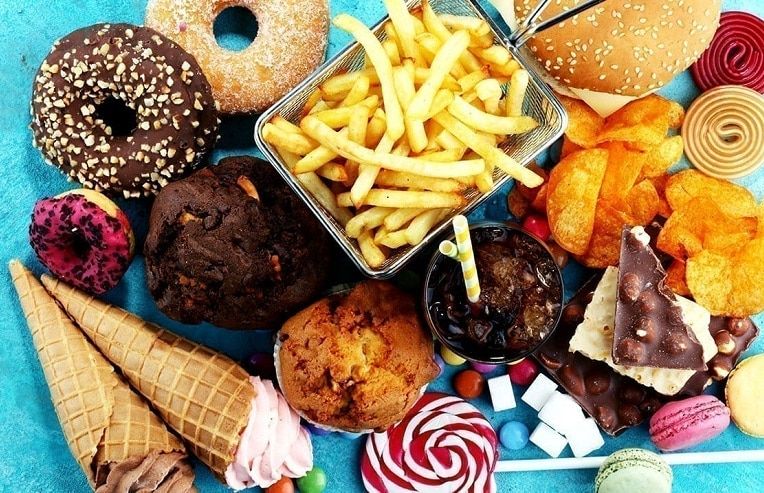
  • Have you ever found yourself reaching for late night cravings a chocolate bar, chips, or a cold soda without knowing why? You’re not alone! Food cravings are incredibly common — and they often say more about our body and mind than we realize.

    As a Dietician I believe that understanding cravings is the first step to a healthier relationship with food.

    Let’s understand what your cravings really mean and how you can respond to them with awareness and balance.

    🍫 1. Craving Chocolate

    Possible Cause: Magnesium deficiency, stress, or low mood.
    What It Means: Chocolate boosts serotonin (your happy hormone), which is why we often crave it during emotional lows or PMS.
    Smart Swap: Try magnesium-rich foods like almonds, avocados, dark leafy greens, or a piece of dark chocolate (70%+ cocoa).

    🧂 2. Craving Salty Foods

    Possible Cause: Dehydration, electrolyte imbalance, or stress.
    What It Means: Salt cravings can signal your body needs more sodium or hydration. It can also be linked to adrenal fatigue.
    Smart Swap: Drink water with a pinch of Himalayan salt or eat potassium-rich foods like bananas and sweet potatoes.

    🍞 3. Craving Carbs/Bread/Pasta

    Possible Cause: Low energy, blood sugar imbalance, or comfort seeking.
    What It Means: Your body may be asking for quick energy or reacting to emotional stress.
    Smart Swap: Choose complex carbs like oats, whole grains, quinoa, or sweet potatoes to maintain energy without the crash.

    🍬 4. Craving Sugar

    Possible Cause: Blood sugar dips, poor sleep, or emotional hunger.
    What It Means: Sudden sugar cravings usually mean your blood sugar is low or you’re emotionally drained.
    Smart Swap: Try fruit with nut butter, dates, or a smoothie with protein and fiber to curb the craving without spiking your sugar.

    🧀 5. Craving Cheese or Dairy

    Possible Cause: Fat or calcium deficiency, or emotional need for comfort.
    What It Means: Cheese contains compounds that promote pleasure and calm, which explains emotional cravings.
    Smart Swap: Try yogurt, nuts, or seeds. Or mindfully enjoy a small serving of real cheese

    🍖 6. Craving Red Meat

    Possible Cause: Iron, zinc, or vitamin B12 deficiency.
    What It Means: This is often your body asking for essential nutrients.
    Smart Swap: Include iron-rich plant foods like spinach, lentils, or fortified cereals if you’re vegetarian. Otherwise, enjoy lean red meat in moderation.

    🧃7. Craving Soda or Fizzy Drinks

    Possible Cause: Caffeine need, sugar craving, or dehydration.
    What It Means: It could be about energy or just the fizz and sweetness.
    Smart Swap: Try sparkling water with lemon or a splash of fruit juice. Herbal iced teas also help.

    🔄 Final Thoughts

    Cravings are not your enemy — they are message from your body. Instead of ignoring or giving in mindlessly, pause and reflect:

    • Am I tired, stressed, or thirsty?
    • Did I skip a meal or lack nutrients in my diet?
    • Is this physical hunger or emotional hunger?

    💬 Have a craving you’re curious about? Leave a comment or contact me — I’d love to help decode it!

  • You’ve probably heard the word “superfood” on social media, in ads, or even on food packets — but what does it actually mean? Are superfoods magical foods that can make you healthy overnight? Or is it just a marketing trend? Let’s find out in simple terms.

    🌿 What Are Superfoods?

    Superfoods are natural foods that are packed with nutrients — like vitamins, minerals, antioxidants, and fiber — which are good for your health.

    Common examples include:

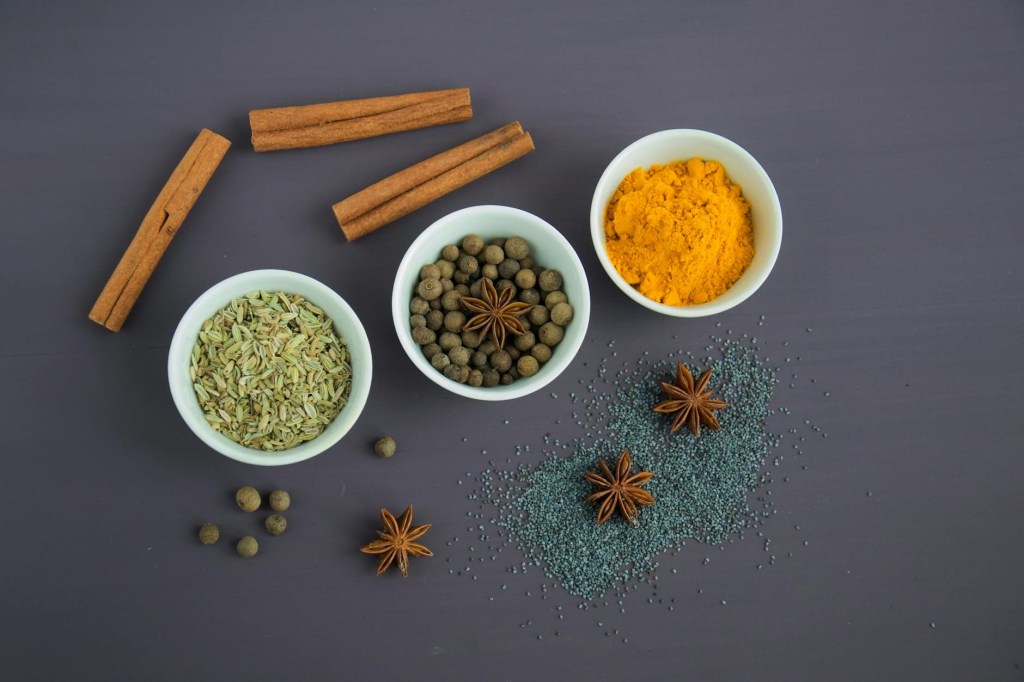
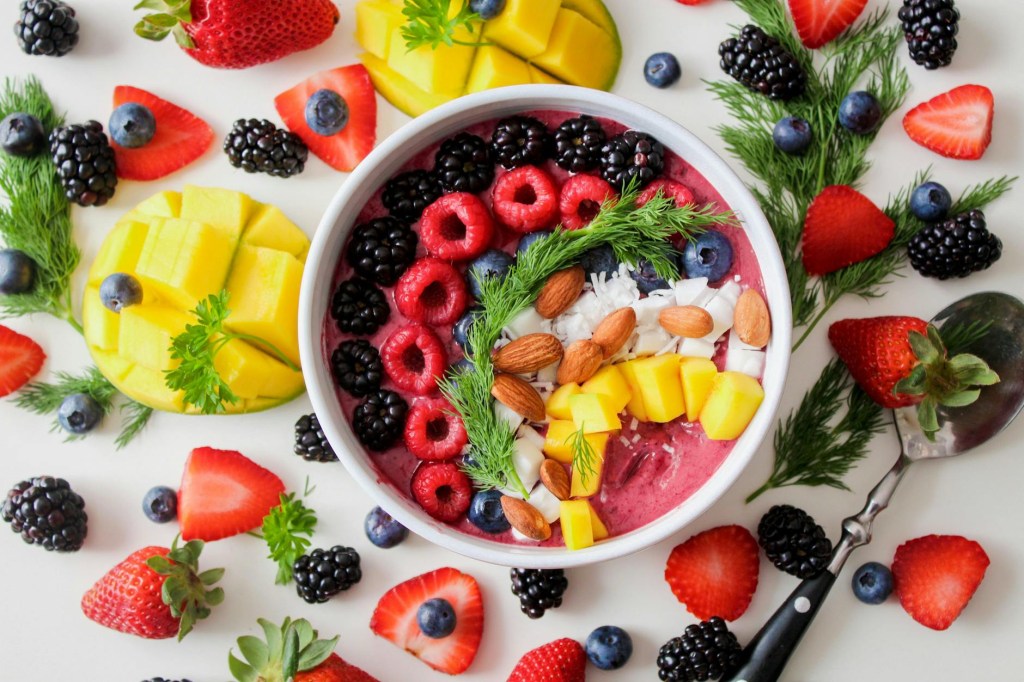
    Berries (like blueberries and strawberries) Nuts & seeds (like chia seeds and almonds) Green leafy vegetables (like spinach and kale) Whole grains (like quinoa) Herbs & spices (like turmeric)

    These foods are healthy, no doubt. But that doesn’t mean they are superior to other regular foods.

    ❓So, What’s the Buzz About?

    The term “superfood” is not a scientific term. It’s mostly a marketing word used to promote certain foods as “must-haves” for health. But in reality:

    Eating one or two superfoods won’t fix your health problems. A balanced, consistent diet matters more than adding just one so-called “superfood”.

    ✅ Yes, They Do Help — But…

    Superfoods are good because they offer powerful nutrients, but they work best when combined with:

    A balanced diet (including regular fruits, veggies, protein, and whole grains) Regular physical activity Good sleep and hydration

    Example:

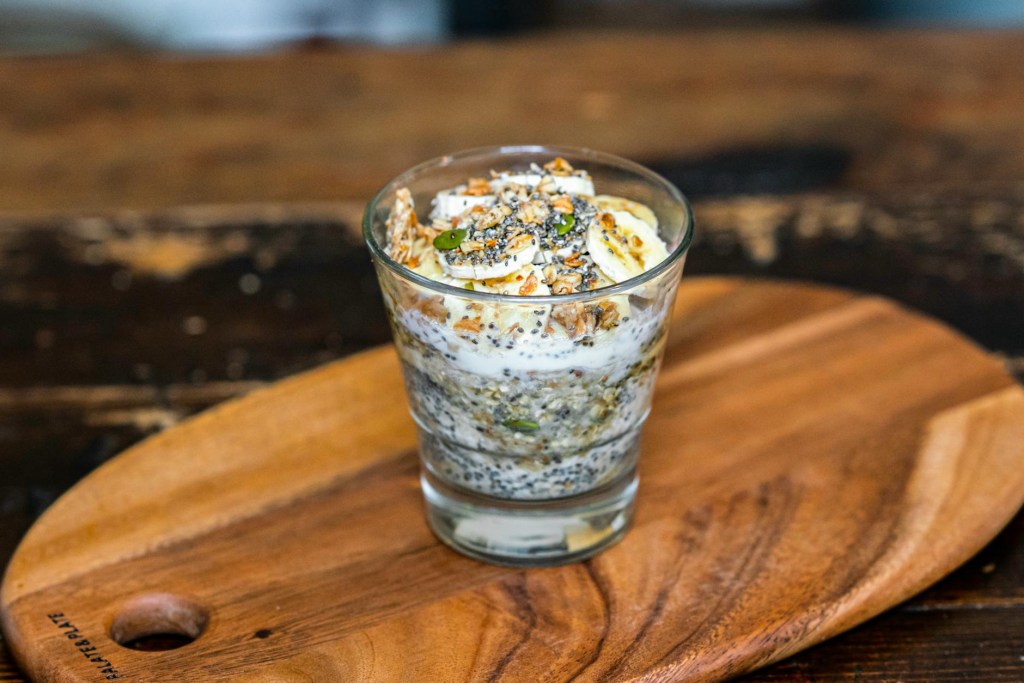
    Chia seeds are great for fiber and omega-3, but if your overall diet is full of junk food, chia seeds alone won’t help.

    🌱 What Really Matters?

    Rather than chasing fancy “superfoods,” focus on:

    Eating seasonal and local fruits and vegetables Including whole grains, proteins, and healthy fats Avoiding ultra-processed foods regularly Maintaining consistency in your eating habits

    Even simple foods like banana, moong dal, ghee, coconut, curd — are nutritional heroes in Indian kitchens!

    💬 Final Thoughts

    Superfoods are not magic bullets. Yes, they are healthy, but they’re not the only healthy foods out there. Instead of looking for “super” foods, build a super diet — a balanced, home-cooked, and mindful way of eating.

    Because in the end, it’s not about one superfood — it’s about your overall lifestyle.

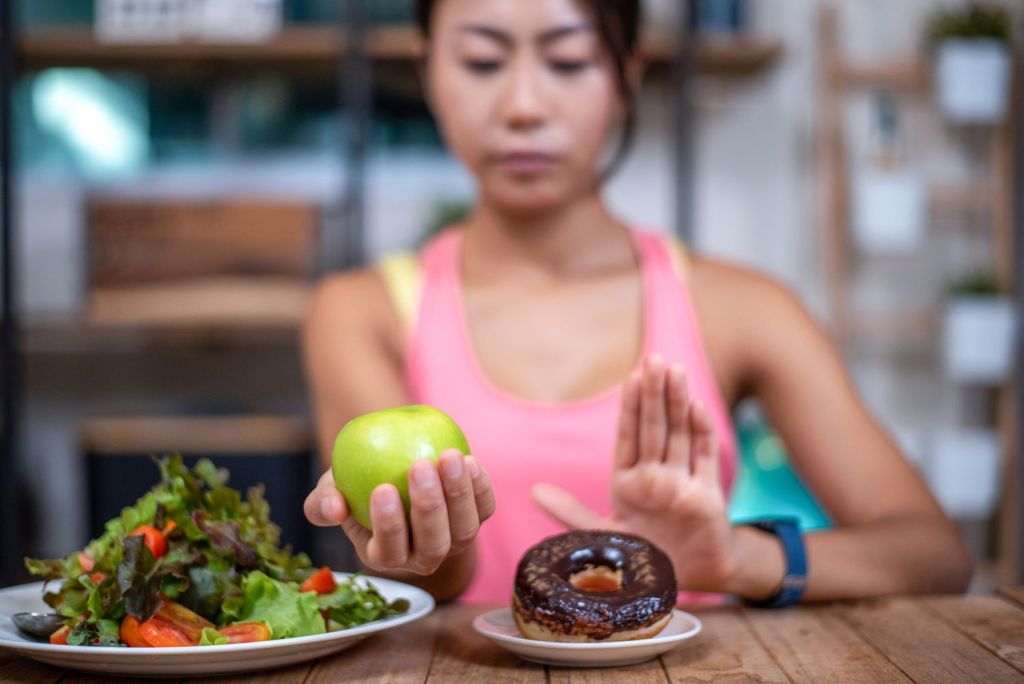
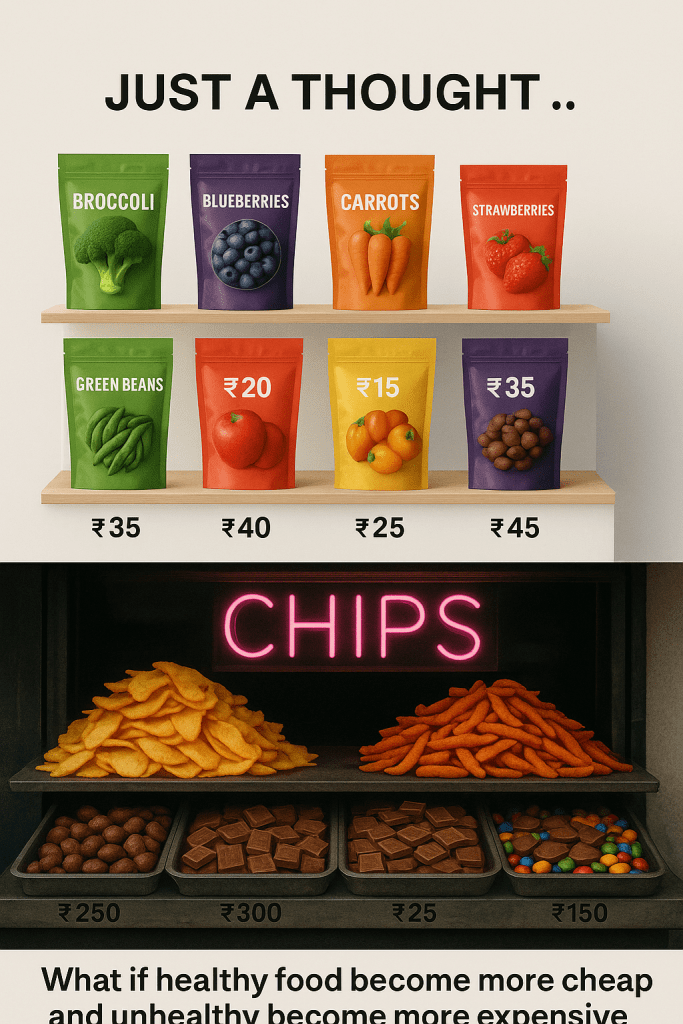
  • Have you ever imagined a world where fresh fruits and vegetables came in colorful, attractive packages like chips and chocolates?

    What if chips and candies were sold openly on street stalls — just like fruits and veggies are today — and came without flashy branding or tempting ads?

    What if healthy food became more affordable, and unhealthy food more expensive?

    What if we craved fruits and salads the same way we crave pizza, fries, or sugary snacks?

    💭 These questions may sound dreamy, but they make us think about our food habits and choices deeply.

    🌟 The Real Cost of Food

    Often, it feels like living healthy is expensive — organic foods, fresh produce, and quality ingredients can cost more than a packet of chips or a roadside burger. But here’s the catch:

    Is health truly expensive, or are we just conditioned to value convenience over wellness?

    We are surrounded by advertisements, offers, and easy access to junk food. Bright packaging and smart marketing have made unhealthy food more desirable — not just cheaper, but addictive.

    🍎 Let’s Flip the Perspective

    Imagine:

    Buying broccoli or blueberries in glossy pouches with exciting flavors. Getting a combo offer on bell peppers and apples. Seeing a discount board: “Buy 1 Kale, Get 1 Free!”

    It sounds funny — but it’s also powerful. Because the way we present food matters. The more we respect and celebrate healthy food, the more attractive it becomes.

    🧠 It’s Not Just About Price

    It’s about mindset and habit.

    Let’s teach ourselves (and others) that healthy food isn’t boring or plain.

    Let’s make fresh, whole foods part of our cravings.

    Let’s stop blaming food and start fixing our approach.

    ❤️ Final Thought

    Good health doesn’t always come with a high price —

    But ignoring it can cost us a lot.

    So next time you feel tempted by a cheap snack, just pause and think:

    What if you treated your health as your greatest luxury?

  • More colors, more nutrients, more fun on every plate!

    🥗 Why “Eating the Rainbow” Matters

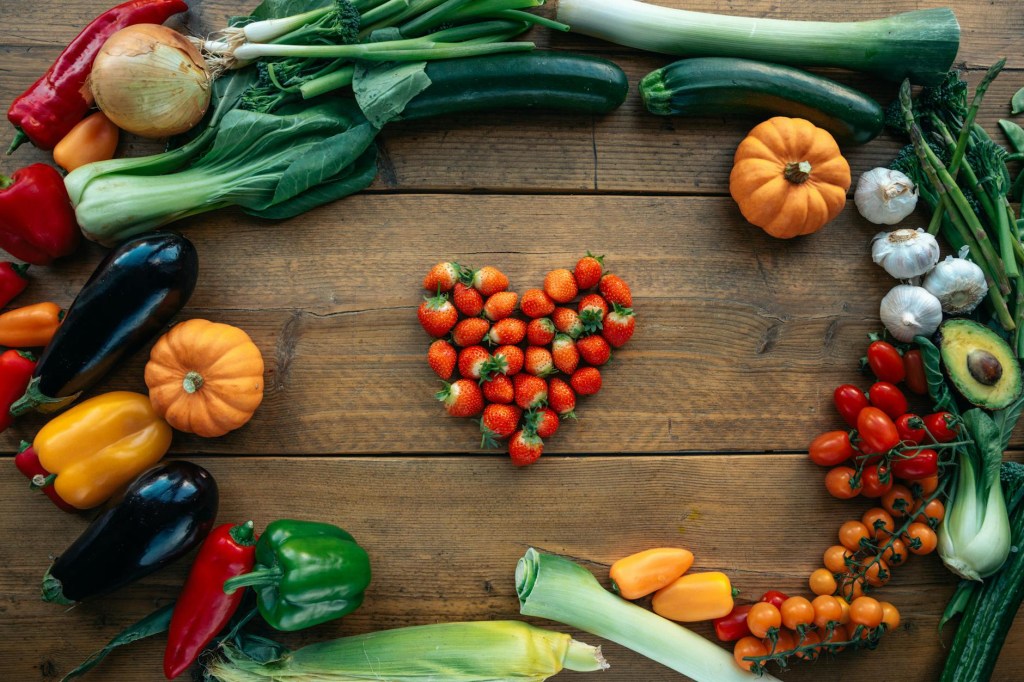
    Kids are naturally attract to colorful things—so why not use that to encourage healthy eating? “Eating the rainbow” simply means including fruits and vegetables of different colors in your child’s daily meals. Each color group offers its own set of vitamins, minerals, and antioxidants that support growth, immunity, vision, and overall development.

    🍅 RED Foods – For a Strong Heart

    Red fruits and veggies like tomatoes, strawberries, apples, and red bell peppers are rich in lycopene and vitamin C. These help boost immunity and support a healthy heart.

    ✅ Option : Strawberry yogurt, red apple slices, tomato pasta.

    🥕 ORANGE & YELLOW Foods – For Good Vision and Immunity

    Carrots, pumpkin, mango, papaya, and sweet potatoes are packed with beta-carotene, which converts to vitamin A for healthy eyes and glowing skin.

    ✅ Option: Mango smoothie, baked sweet potato, carrot sticks with hummus

    🥬 GREEN Foods – For Strong Bones and Detox

    Spinach, broccoli, peas, and kiwi are loaded with iron, calcium, and folate. These help build strong bones and support brain development.

    ✅ Option: Spinach paratha, green pea pulao, kiwi slices.

    🫐 BLUE & PURPLE Foods – For Brain Power

    Foods like blueberries, black grapes, and purple cabbage contain anthocyanins, which boost memory and protect growing brains.

    ✅ Option: Blueberry milkshake, purple cabbage salad, black grape juice

    🍌 WHITE & BROWN Foods – For Energy and Immunity

    Bananas, mushrooms, cauliflower, and whole grains offer fiber, potassium, and B-vitamins to keep kids energized and healthy.

    ✅ Option: Banana oats porridge, cauliflower curry, whole wheat toast

    👩‍🍳 Tips for Parents:

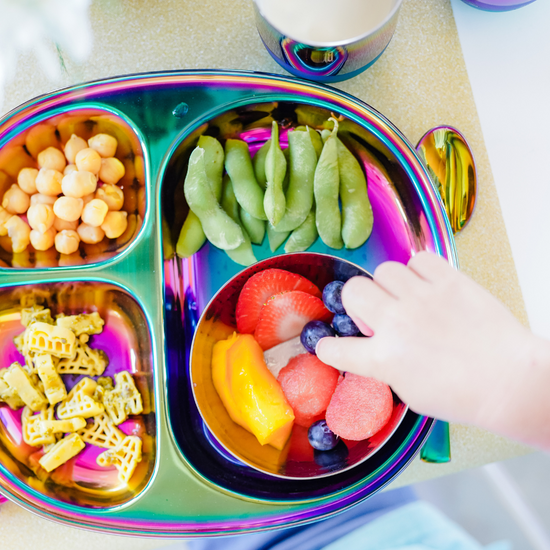
    • Make rainbow fruit for snacks.
    • Add colorful veggies to chapati dough (like beetroot or spinach puree).
    • Let kids build their own rainbow plate once a week!
    • 🌟 Final Thought
      A colorful plate is a nutritious plate. Encouraging children to eat a rainbow not only makes meals exciting but ensures they get a wide range of nutrients their growing bodies need. Start with small changes—add a new color to each meal, and soon healthy eating will become a fun habit!
  • When we think of fitness and healthy eating, protein often takes the spotlight. But let’s not forget the true fuel our body runs on — carbohydrates!

    Carbs are not your enemy. In fact, they are your body’s primary source of energy, especially for your brain and muscles. Whether you’re walking, working, or working out — carbs power it all.

    Here’s why carbs deserve more love:

    ✅ Energy Powerhouse – They provide quick and sustainable energy.

    ✅ Brain Function – Your brain relies almost entirely on glucose (from carbs) to function properly.

    ✅ Mood Booster – Healthy carbs support serotonin production, helping improve mood.

    ✅ Digestive Health – Whole grains, fruits, and vegetables are rich in fiber, keeping your gut happy.

    ✅ Spares Protein – When you eat enough carbs, your body doesn’t use protein for energy — it uses it to build and repair instead.

    🥦 Choose smart carbs: whole grains, fruits, vegetables, legumes — and skip the refined sugary stuff.

    Remember, it’s not about cutting carbs, it’s about choosing the right ones in the right portions.

    ✨ At Berryvive Wellness, we help you find the perfect balance – because carbs belong on your plate!

  • In today’s fast-moving world, sleep often takes a backseat. Whether it’s late-night scrolling, work deadlines, or binge-watching shows, many of us end up sacrificing our sleep without realizing how important it truly is for our overall health and wellness.

    Let’s understand why good sleep is just as important as healthy food and regular exercise.

    🧠 1. Sleep Boosts Your Brain Health

    When you sleep, your brain gets a chance to relax and reset. It clears out toxins, improves memory, and helps you focus better during the day. Without enough rest, you may feel tired, forgetful, or moody.

    💪 2. Helps Your Body Heal and Grow

    During deep sleep, your body repairs muscles, builds tissues, and strengthens your immune system. It’s like your body’s natural healing time. Lack of sleep can slow down this process and make you more likely to fall sick.

    ⚖️ 3. Keeps Your Weight in Check

    Yes, sleep also affects your weight! Poor sleep can disturb hunger hormones, making you crave more sugary and junk foods. It can also slow down your metabolism. A good 7–9 hours of sleep can help you stay on track with your weight goals.

    💖 4. Good Sleep = Good Mood

    Not getting enough sleep can lead to stress, irritability, and even depression. On the other hand, proper sleep keeps you calm, fresh, and emotionally balanced.

    ⏰ 5. Helps You Stay Active and Energetic

    Ever noticed how hard it is to work out or stay motivated after a sleepless night? That’s because sleep gives you the energy to move and stay active. It improves your stamina and performance—whether in the gym or in daily life.

    🌿 Simple Tips for Better Sleep:

    Maintain a regular sleep schedule Avoid screens at least 30 minutes before bed Keep your bedroom cool, dark, and quiet Avoid caffeine and heavy meals late at night Try relaxation techniques like deep breathing or meditation

    Final Thoughts:

    Sleep is not a luxury—it’s a necessity. If you truly want to take care of your health, don’t skip on sleep. Make it a priority just like healthy eating and physical activity.

    🌙 Start sleeping better today—for a healthier tomorrow.

  • Snacking often gets a bad reputation, but when done right, it can actually support your health goals. Whether you’re aiming to maintain energy between meals, manage your weight, or simply avoid overeating later in the day, smart snacking is key. Let’s dive into how to snack smart and explore some tasty and nutritious snack options.

    🧠 What Is Smart Snacking?

    Smart snacking means choosing snacks that:

    Provide nutrients (like fiber, protein, healthy fats, vitamins) Help keep you full and satisfied Prevent sudden energy crashes Support your fitness, weight, or health goals

    It’s all about quality over quantity—not all snacks are created equal!

    ⏰ When Should You Snack?

    You should consider a snack if:

    There’s a long gap between your meals (more than 4-5 hours) You’re truly hungry (not bored or stressed) You need energy before or after a workout You’re managing conditions like diabetes where blood sugar control is important

    ✅ Healthy Snack Guidelines

    To build a balanced snack, combine:

    ✔ A source of protein + ✔ A source of fiber or healthy fat

    This combo helps keep you full and provides sustained energy.

    🥗 Smart Snack Options You’ll Love

    1. Fruit & Nut Butter

    Apple or banana slices with 1 tbsp peanut/almond butter Great for fiber + healthy fats + natural sweetness

    2. Greek Yogurt with Berries

    Packed with protein and antioxidants Choose plain yogurt to avoid added sugars

    3. Roasted Chickpeas or Makhana

    Crunchy, high-protein, and rich in fiber Perfect alternative to chips

    4. Hummus & Veggie Sticks

    Carrots, cucumbers, bell peppers + 2 tbsp hummus High in fiber, vitamins, and healthy fats

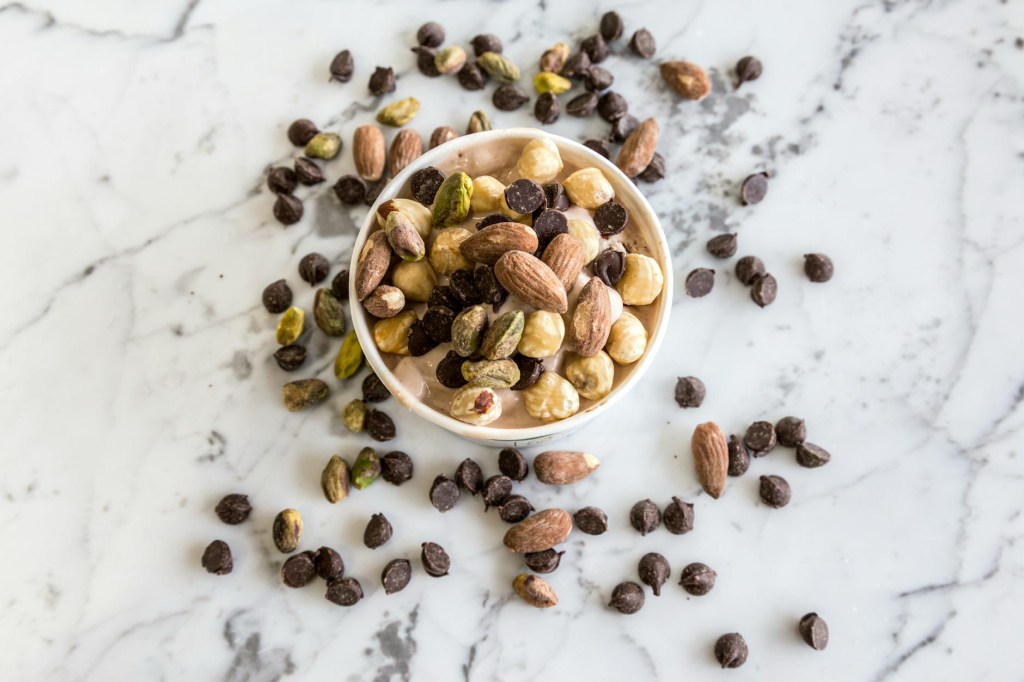
    5. Trail Mix (Homemade)

    A mix of unsalted nuts, seeds, and a few dried fruits Make sure to keep portion size in check

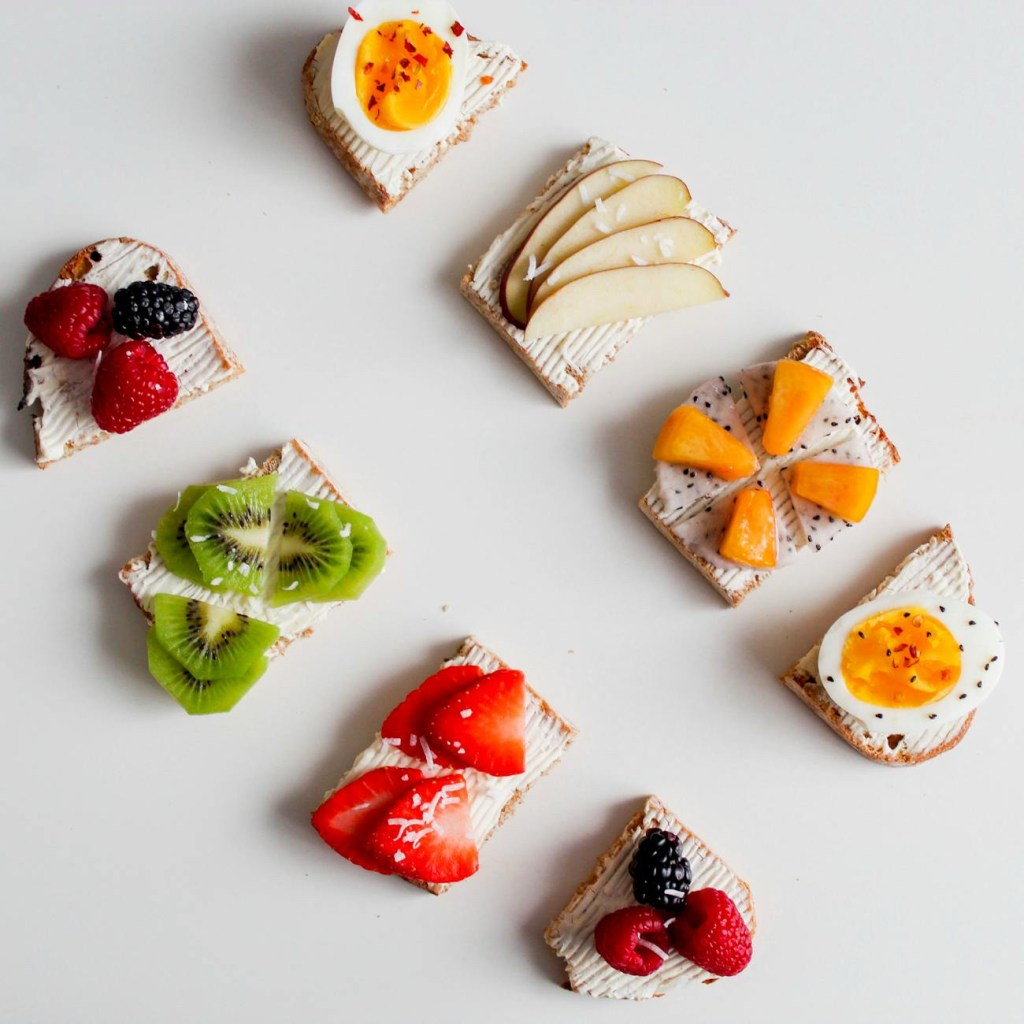
    6. Boiled Eggs

    One of the most portable protein sources Sprinkle some herbs or chili flakes for taste

    7. Sprouted Moong Salad

    Sprouts, onions, tomatoes, lemon, and spices Protein-rich and gut-friendly

    8. Whole Grain Crackers & Paneer Cubes

    Good mix of carbs and protein Choose whole grain, low-sodium crackers

    🚫 Avoid These Common Snack Traps

    Sugary biscuits and cookies Fried namkeen or chips Sweetened drinks or packaged juices Energy bars with hidden sugars

    🌟 Final Tip: Plan Ahead!

    Keep healthy snacks prepped and portioned so you’re not tempted by unhealthy choices. Smart snacking isn’t about restriction—it’s about making intentional choices that fuel your body and support your goals.