Berryvive Wellness

“Vibrant Living Through Smart Nutrition.”

  • Protein is often called the building block of life – and rightly so! From your hair to your hormones, muscles to your metabolism, protein plays a vital role in nearly every function of your body.

    But here’s the big myth:

    “Vegetarians can’t get enough protein.”

    Let’s bust that once and for all!
    💪 Why Protein Matters

    Builds and repairs muscles Supports immunity Keeps you full longer (great for weight loss!) Balances blood sugar levels Helps in healthy hair, nails, and skin

    Whether you’re aiming to build muscle, lose weight, or just stay energetic, protein is your best friend.

    🌱 Vegetarian Sources of Powerful Protein

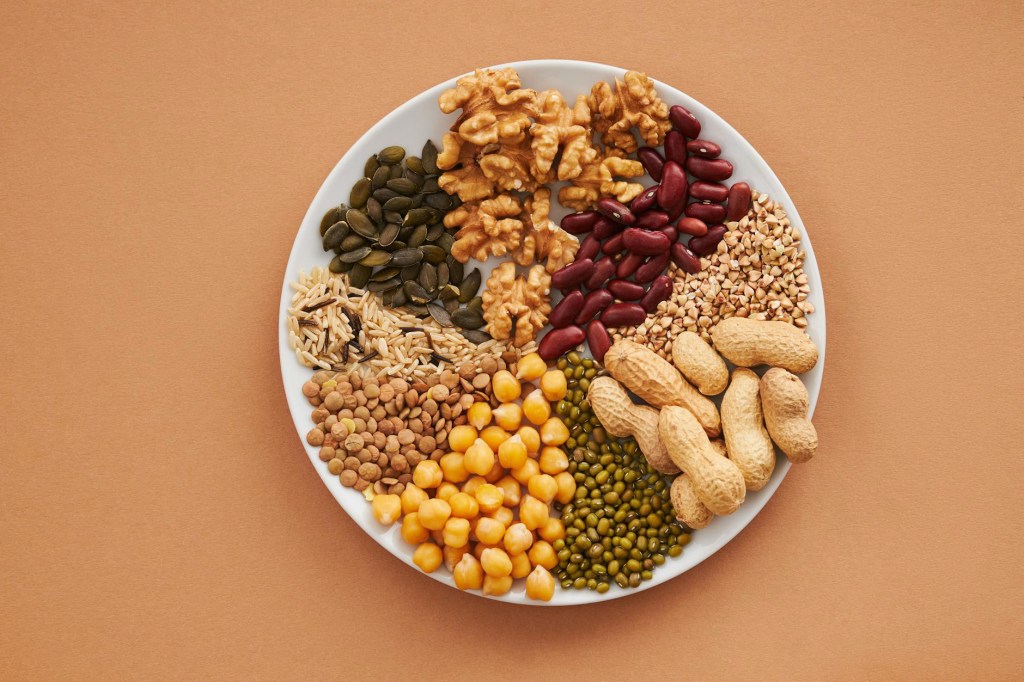
    You don’t need meat to meet your protein needs. Here are some vegetarian protein heroes:

    ✅ Lentils (dal) – ~9g per 100g

    ✅ Chickpeas (chana) – great for curries or hummus

    ✅ Paneer & Milk Products – excellent for muscle recovery

    ✅ Tofu & Soy Chunks – plant-based protein bombs

    ✅ Quinoa – a complete protein grain

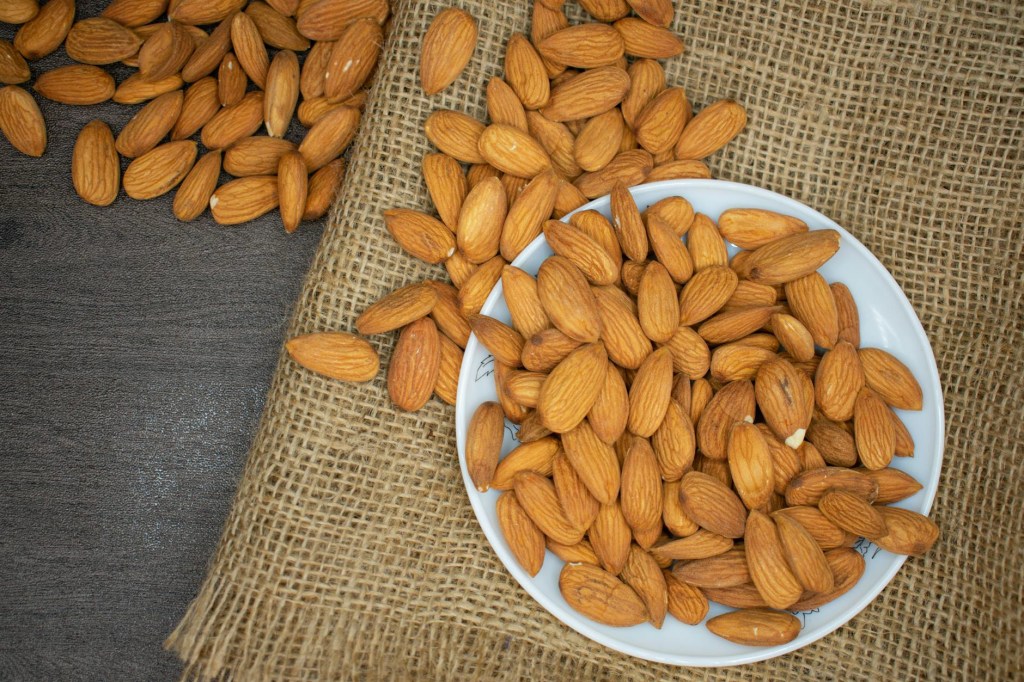
    ✅ Nuts & Seeds – almonds, pumpkin seeds, chia

    ✅ Green Peas & Broccoli – even veggies pitch in!

    ✅ Greek Yogurt / Curd – protein with probiotics
    🥗 Tips to Boost Protein in Every Meal

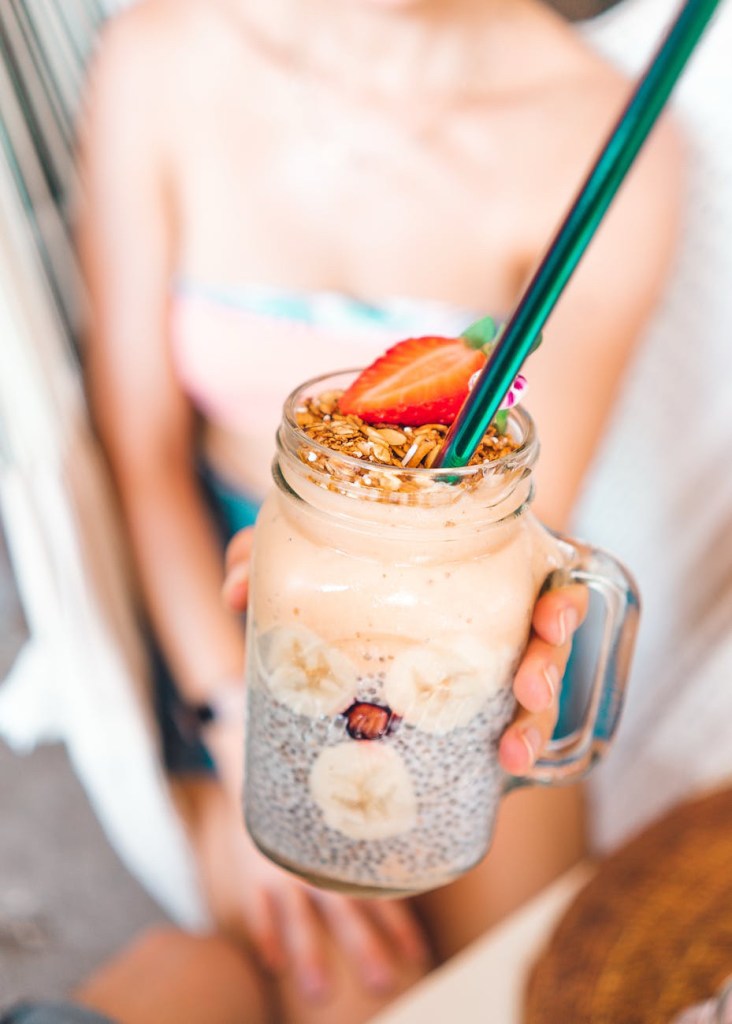
    Add roasted seeds or peanuts to your salads Replace rice with quinoa or add dal sprouts Snack smart with roasted chana or a protein smoothie Mix curd or paneer into your meals Try protein-packed rotis – add soy flour, besan, or dal flour

    🚫 Common Mistakes Vegetarians Make

    Skipping breakfast or relying only on carbs Not including a protein source in every meal Thinking only non-veg food has protein Ignoring portion sizes of protein-rich food

    Remember: Being vegetarian doesn’t mean being protein-deficient – it just means being smart with your choices!

    👩‍⚕️ Final Note from Dietician Shivangi Mishra & Nitika Rastogi

    As a vegetarian, you can thrive on protein – no meat required. All you need is balance, variety, and planning. Let protein power your body, naturally!

    ✨ Want a customized vegetarian protein plan? Let’s connect at Berryvive Wellness!
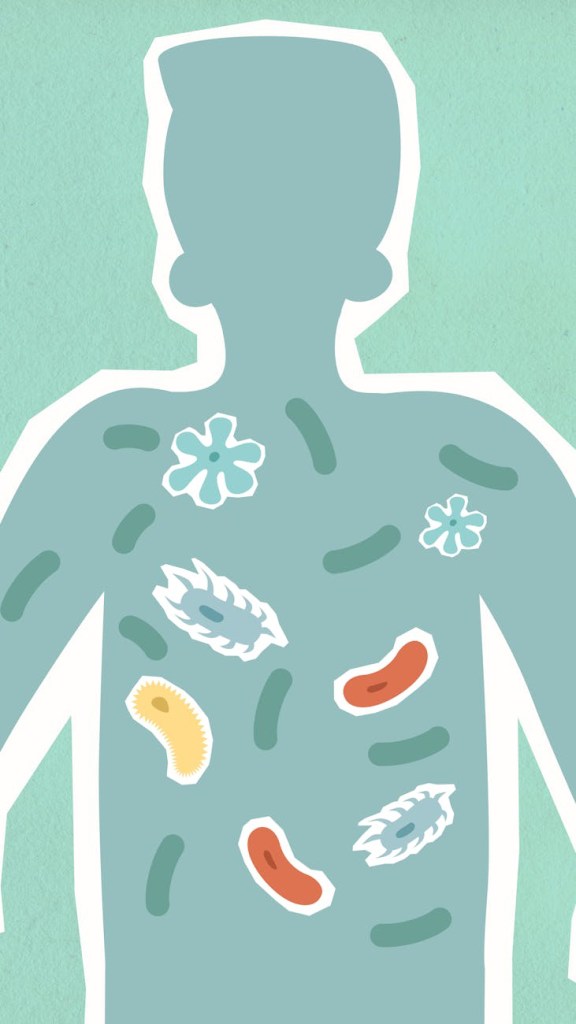
  • Why Is Gut Health So Important?

    A healthy gut doesn’t just mean good digestion. It also helps with:

    Boosting your immunity Balancing mood and mental health Managing weight Reducing inflammation Absorbing nutrients better

    😟 What Happens When Your Gut Is Unhealthy?

    An imbalanced microbiome (too much bad bacteria, not enough good) can lead to:

    Bloating, gas, or constipation Sugar cravings Fatigue Skin issues like acne Mood swings or anxiety

    🥦 How to Take Care of Your Gut?

    You can support your gut by adding these to your daily routine:

    Eat more fiber – whole grains, fruits, and vegetables Include fermented foods – like curd, buttermilk, kanji, and pickles Stay hydrated – water helps digestion Avoid too many processed foods and sugar Manage stress – as it affects your gut too Sleep well – your gut needs rest as well

    🧃 Probiotics & Prebiotics: What’s the Difference?

    Probiotics are live good bacteria – found in curd, kefir, kombucha Prebiotics are food for the good bacteria – found in garlic, banana, onion, oats

    Together, they help your gut thrive!

    🌟 Final Thoughts

    Your gut is like a second brain—if it’s happy, your whole body feels better. Taking care of your gut is one of the easiest and most powerful ways to improve your overall health.

    Start with small changes today—and let your gut guide your wellness journey!

  • When it comes to nutrition, many people focus only on one thing: calories. Whether it’s weight loss, diabetes control, or fitness goals, counting calories seems to be the go-to method. But the truth is—balanced nutrition is about so much more than the numbers on your plate.

    Let’s dig into why understanding nutrient quality matters more than just calorie quantity.

    🌱 1. All Calories Are Not Created Equal

    100 calories from a sugary soda are not the same as 100 calories from a handful of almonds. The soda spikes your blood sugar, offers no nutrients, and leaves you feeling hungry. Almonds, on the other hand, provide healthy fats, fiber, and protein, helping you feel full and nourished.

    🥗 2. Macronutrients Matter

    Your body needs a mix of carbohydrates, protein, and fats—not just fewer calories.

    Carbs fuel your energy Proteins repair tissues and support immunity Fats support hormones and brain health A low-calorie diet that skips any of these can leave you tired, irritable, or even nutrient-deficient.

    🌈 3. Micronutrients Are the Hidden Heroes

    Vitamins and minerals like iron, calcium, zinc, and B12 don’t add calories, but they’re essential for your body to function. Balanced nutrition ensures your cells, organs, and immunity stay strong.

    🧠 4. Mood, Sleep, and Hormones Depend on Food

    Balanced meals rich in whole grains, lean proteins, colorful vegetables, and healthy fats influence your mood, hormone balance, sleep quality, and even mental health. A calorie-only diet may ignore these factors and lead to burnout or mood swings.

    🥄 5. It’s About Sustainability, Not Restriction

    Strict calorie-cutting diets can feel like punishment. Balanced nutrition focuses on portion control, food quality, and meal timing, helping you enjoy food and stick to your goals without guilt or obsession.

    💡 The Takeaway

    Counting calories may give you short-term control, but nourishing your body through balance gives you long-term health.

    Choose whole foods. Don’t skip meals. Respect your hunger. Listen to your body.

    Because nutrition isn’t about eating less.

    It’s about eating right.

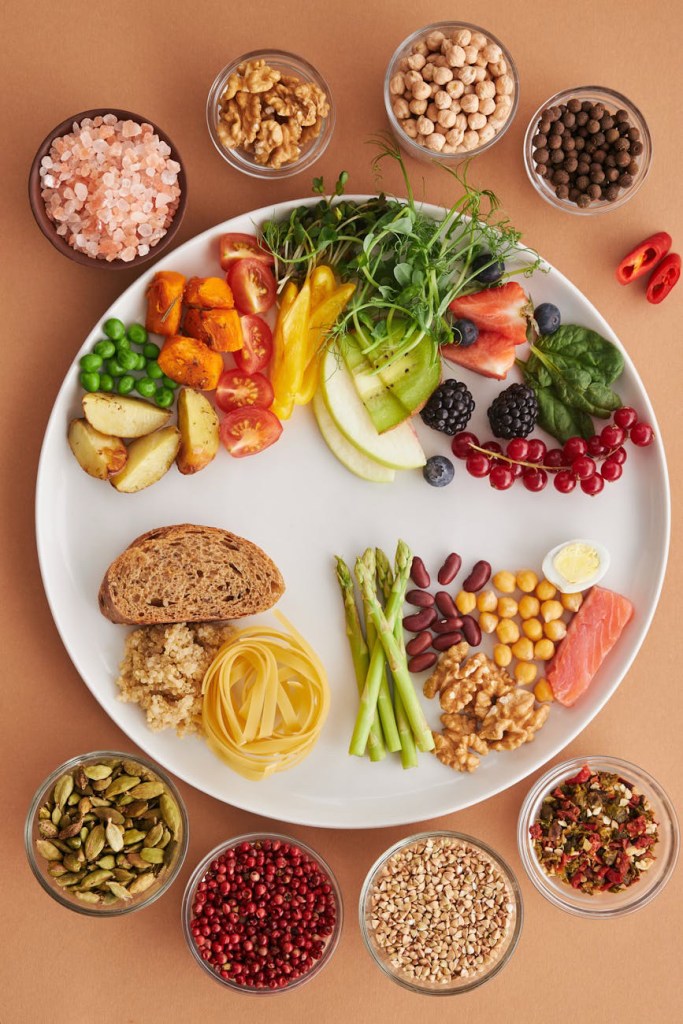
    Eat balance meal

    🌟 Need a personalized nutrition plan?

    Let’s work together at Berryvive Wellness to build a meal plan that fits your body and lifestyle.

    📩 Book your consultation today!

  • 🍫 Craving sugar all the time?
    It’s not just about willpower — it’s about imbalance.

    👉 I have seen that people skip their meals and eating sugary foods, meal with loaded carbs.
    Late sleep and binge eating.

    🧠 Your brain is smart — it’s asking for quick energy, not chocolate therapy. So choose wisely and focus on self control & root cause.

    ✅ Fix the root, not just the craving:

    • Eat balanced meals 🥗
    • Include protein & fiber 🍳
    • Hydrate well 💧
    • Sleep enough 😴
    • Move more: Just get up and walk

  • 🌿 Hypertension in Young Adults: A Growing Concern and How Nutrition Can Help

    In today’s fast-paced lifestyle, we often associate high blood pressure—or hypertension—with older adults. But did you know that an increasing number of young adults, even in their 20s and 30s, are now being diagnosed with hypertension? This silent health threat is growing more common—and more dangerous—among youth due to poor dietary habits, stress, and sedentary routines.

    ❗ What is Hypertension?

    Hypertension occurs when the force of blood against the artery walls is consistently too high. A reading of 140/90 mmHg or higher is typically considered high blood pressure. Over time, it can damage vital organs like the heart, kidneys, and brain—without showing any symptoms.


    🔍 Why is Hypertension Rising Among Young Adults?

    Some common causes include:

    • High salt and processed food intake
    • Lack of physical activity
    • Obesity or being overweight
    • Chronic stress and anxiety
    • Smoking, alcohol, and substance use
    • Family history of high blood pressure

    🥗 Role of Nutrition in Managing and Preventing Hypertension

    The good news? Hypertension can be controlled—and even prevented—through healthy lifestyle and nutritional changes. Here’s how:

    1. Reduce Sodium Intake

    Limit salt to less than 5g per day (about 1 teaspoon). Avoid packaged foods, pickles, salty snacks, and processed meats.

    2. Increase Potassium-Rich Foods

    Potassium helps balance sodium levels. Include:

    • Bananas
    • Spinach
    • Sweet potatoes
    • Beans
    • Coconut water

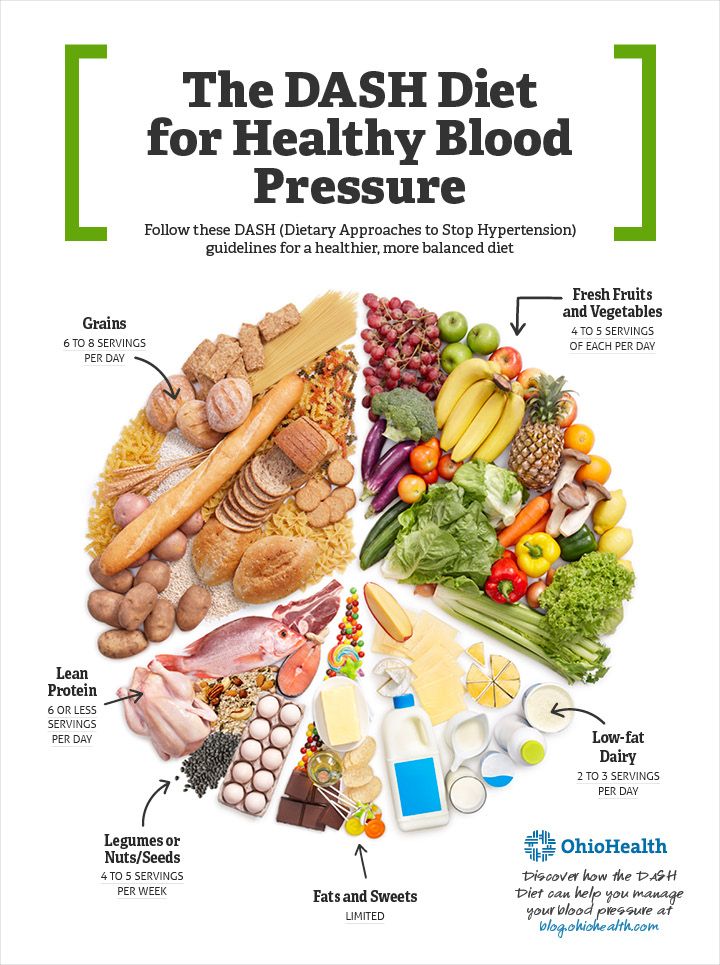
    3. Adopt the DASH Diet

    The DASH (Dietary Approaches to Stop Hypertension) diet focuses on:

    • Whole grains
    • Fresh fruits and vegetables
    • Low-fat dairy
    • Lean proteins like fish and poultry
    • Limited sugar and red meat.  

    4. Cut Down on Caffeine and Sugary Beverages

    Replace them with herbal teas, lemon water, or plain water.

    5. Maintain a Healthy Weight

    Even a 5–10% reduction in body weight can significantly lower blood pressure.

    6. Stay Hydrated

    Water helps regulate blood pressure and flush out excess sodium from the body.


    💡 Pro Tips for Young Adults

    • Take short walking breaks if you sit for long hours.
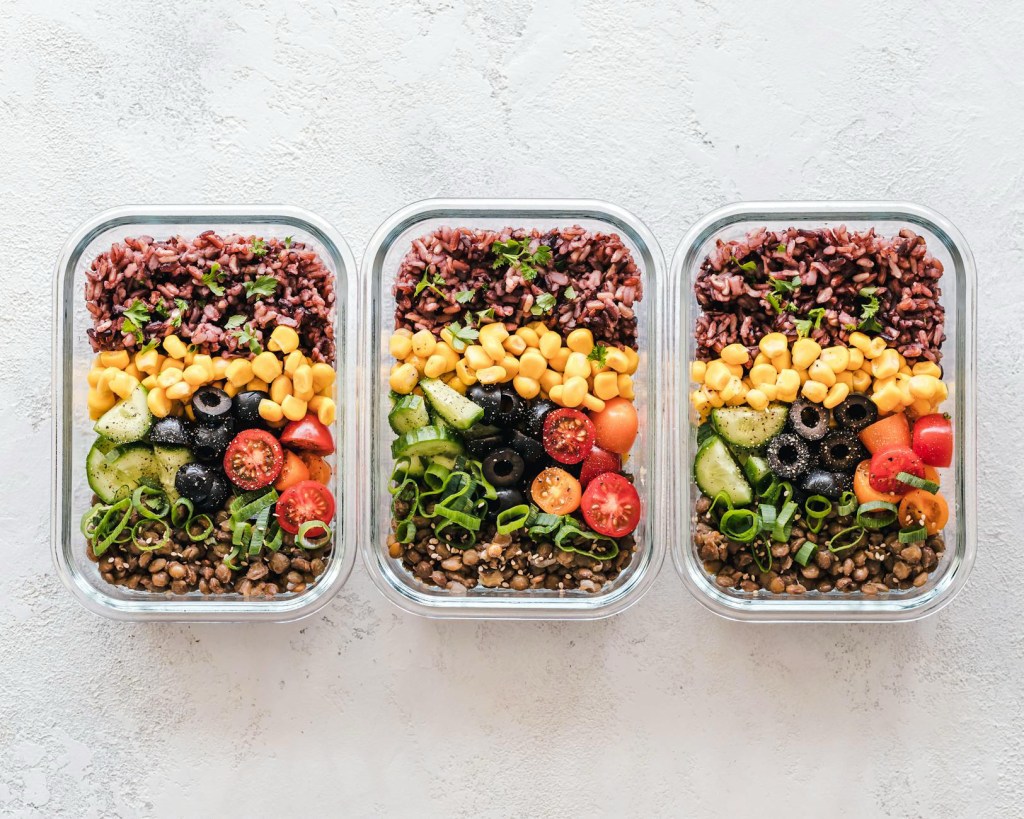
    • Meal prep to avoid last-minute junk food choices.
    • Get 7–8 hours of sleep every night.
    • Monitor your blood pressure regularly—early detection saves lives!

    👩‍⚕️ Final Thoughts from a Clinical Dietician

    Hypertension might be silent, but its effects are serious. If you’re a young adult, don’t wait for symptoms—start prioritizing your heart health today. With the right diet and guidance, you can reverse early signs and live a healthier, longer life.


    Need help creating a heart-healthy meal plan or managing your blood pressure?
    Contact me for personalized diet counseling and support.

  • Moderation is the key of success or you can say, a key for healthier life

    🍭 MYTH: “People do think that jaggery and honey is best alternative of sugar”.

    ❌ TRUTH: Your body processes all added sugars similarly — whether it’s honey, coconut sugar, or jaggery.

    They may have trace minerals, but the impact on blood sugar and insulin is nearly the same.

    👉 Moderation is key — even for “natural” sweeteners.

    Let’s stop sugar-coating the facts. 😉

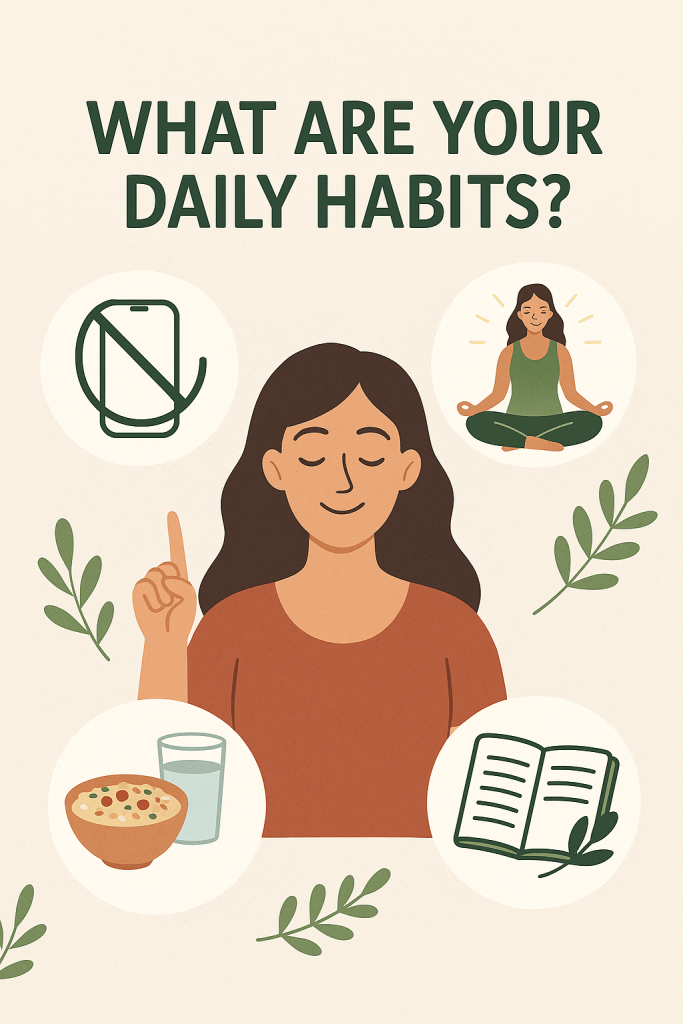
  • What are your daily habits?

    Choose your habit wisely

    In a world that moves fast, it’s the small consistent habits that shape our long-term well-being. As a wellness enthusiast and nutrition professional, I’ve learned that it’s not about perfection—but about balance, intention, and self-awareness.

    Today, I’m opening up my daily routine to share the healthy habits that help me stay energized, focused, and aligned—physically, mentally, and emotionally.

    ☀️ 1. I Start My Morning Without My Phone

    The first 30 minutes of my day are screen-free. I avoid the instant flood of messages and notifications. Instead, I stretch, drink warm water with lemon or jeera, and set a calm intention for the day.

    🧘‍♀️ 2. 10 Minutes of Mindfulness or Deep Breathing

    Whether it’s deep breathing, guided meditation, or just sitting in silence—I take 10 minutes to center myself. It’s amazing how this small habit reduces stress and improves focus throughout the day.

    🥣 3. A Nourishing, Balanced Breakfast

    My go-to: protein-rich poha with veggies or oats with nuts and seeds. I make sure my plate has complex carbs, good fats, and protein to kickstart my metabolism.

    🫗 4. Hydration, Hydration, Hydration

    I keep a water bottle handy all day. Sometimes I infuse it with mint, lemon, or cucumber for extra freshness. Staying hydrated helps my skin, digestion, and energy levels.

    💻 5. Intentional Work Blocks (with Breaks!)

    I use the Pomodoro technique—25 minutes of deep work followed by a 5-minute break. This keeps my mind sharp and avoids burnout. During breaks, I walk, stretch, or simply look out the window to reset.

    🥗 6. Mindful Eating

    I avoid distractions during meals—no scrolling, no emails. This simple practice helps me eat slower, feel full sooner, and truly enjoy my food.

    🚶‍♀️ 7. Movement That Feels Good

    Some days it’s gym. Other days it’s walking, strength training, or just dancing around my room! The key is consistency over intensity.

    📓 8. Daily Reflection & Gratitude

    Before bed, I jot down 3 things I’m grateful for. It shifts my mindset from “what went wrong” to “what went well.” This one habit has been transformative for my mental wellness.

    💤 9. Digital Detox Before Bed

    One hour before sleep, I put my phone on “Do Not Disturb” and dim the lights. A warm shower, light reading, or calming music helps me wind down for a restful night.

    💡 Final Thought

    You don’t need a perfect routine—you need a few habits that work for you. Start small. Stay consistent. And always listen to your body. It is not possible for me as well to follow this routine on daily basis but yes I try my best to be active, to eat healthy and to be productive.

    What daily habits help you feel your best? Share them in the comments—I’d love to hear from you! 💬

  • Carbs. Just the word sparks debate in fitness circles, diet trends, and even lunch table gossip. Are they making us fat? Do they fuel our bodies? Should we go keto, low-carb, or carb-load? As a dietician, I’m here to bust the myths and break it down—because carbs aren’t your enemy. In fact, they might just be your best friend (in the right amount and form!).

    🧠 What Are Carbohydrates?

    Carbohydrates are one of the three main macronutrients—along with proteins and fats—that provide energy for our body. Think of them as your body’s preferred fuel source. When you eat carbs, your body converts them into glucose (sugar), which is used for energy.

    There are two types of carbs:

    Simple carbs: Quickly digested and absorbed (e.g., sugar, soda, white bread). Complex carbs: Take longer to digest and provide lasting energy (e.g., whole grains, legumes, vegetables).

    🔋 Why We Need Carbs

    Energy Source: Glucose from carbs fuels everything from your brain to your muscles. Brain Power: Your brain only runs on glucose—low carb = low concentration. Spares Protein: When carbs are insufficient, your body breaks down muscle for energy. Gut Health: Whole carbs are rich in fiber, keeping your digestive system happy.

    ❌ The “Carbs Are Bad” Myth

    Carbs often get a bad rap thanks to diet culture. But let’s be honest—it’s not the humble potato that’s the problem. It’s how we eat it (deep-fried in oil, loaded with cheese, followed by soda).

    Blaming all carbs for weight gain is like blaming all fats for heart disease—it’s outdated science.

    Choose wisely

    🥗 How Much Should You Eat?

    The Indian Council of Medical Research (ICMR) suggests about 45–65% of your daily calories should come from carbohydrates. This doesn’t mean piles of white rice—it means a balanced intake of whole grains, fruits, and veggies.

    📝 Pro Tip: Pair carbs with protein and fat (like dal + rice or peanut butter + toast) to stabilize blood sugar and keep you full longer.

    ⚖️ When Carbs Can Go Wrong

    Overeating refined carbs: White bread, sugar, maida-heavy snacks spike blood sugar. Skipping fiber: Low-fiber carbs are digested fast, making you hungrier. No balance: A carb-only diet lacks essential amino acids and fats.

    🥦 Carbs Can Help You Lose Weight

    Yes, you read that right. When eaten wisely, complex carbs can actually support fat loss by:

    Boosting satiety Reducing cravings Enhancing workout performance Preventing binge eating

    📚 Final Verdict: Friend, Not Foe

    Carbohydrates are not villains. They are essential for energy, metabolism, and overall health. What matters is type, portion, and balance.

    So the next time someone says “cut carbs to lose weight,” you can smile and say, “I choose to eat smart carbs, not skip them.”

    💬 Got Questions?

    Drop them in the comments or reach out directly—I’d love to help you decode your diet.

    Would you like me to add this blog into a formatted Word or PDF file, or upload a version with visuals for your WordPress site?

  • Water – it’s often called the elixir of life, and for good reason! Our bodies are made up of around 60% water, and yet many of us underestimate just how vital hydration is to our overall health and wellbeing.

    Whether you’re trying to boost energy, support digestion, or improve skin health, water plays a starring role in almost every bodily function. Let’s dive into why drinking enough water each day should be one of your top wellness goals.

    🧠 1. Brain Function & Mood

    Even mild dehydration (1–3% of body weight) can impair energy levels, mood, memory, and brain performance. Lack of water can lead to difficulty concentrating, headaches, and even feelings of anxiety.

    Hydration Tip: Start your day with a glass of water to rehydrate after sleep and kickstart mental clarity.

    💪 2. Enhances Physical Performance

    Whether you’re a gym enthusiast or just chasing daily errands, staying hydrated keeps your body performing at its best. Dehydration can reduce endurance, increase fatigue, and make exercise feel harder.

    Hydration Tip: Drink water before, during, and after any physical activity.

    🍽️ 3. Aids Digestion & Prevents Constipation

    Water helps break down food, absorb nutrients, and prevent constipation by keeping your digestive system running smoothly. Without enough water, you may feel bloated or uncomfortable.

    Hydration Tip: Include water-rich foods like cucumbers, oranges, and watermelon in your diet.

    💧 4. Regulates Body Temperature

    Your body loses water through sweat to cool itself down. Without enough fluid, it struggles to regulate temperature effectively, especially during hot weather or exercise.

    Hydration Tip: In summer months or after sweating, increase your water intake.

    💓 5. Supports Heart & Kidney Health

    Water helps your heart pump blood more easily and aids your kidneys in filtering toxins. Chronic dehydration can lead to kidney stones and high blood pressure.

    Hydration Tip: Swap one sugary or caffeinated drink daily with a glass of plain water.

    ✨ 6. Improves Skin Health

    Dry, dehydrated skin often looks dull and feels tight. Drinking enough water can promote skin elasticity and a more radiant appearance from the inside out.

    Hydration Tip: If your lips feel dry, it might be time for a water break!

    How Much Water Do You Need?

    The general recommendation is 8–10 glasses (about 2–2.5 liters) per day. However, needs vary based on age, activity level, climate, and health conditions.

    💡 Listen to your body. Thirst, dark-colored urine, fatigue, and dry mouth are signs you may need more fluids.

    Easy Ways to Stay Hydrated Daily:

    Carry a reusable water bottle. Infuse your water with mint, lemon, or cucumber. Set hourly reminders on your phone. Track your intake with apps. Pair every meal with a glass of water.

    Final Thoughts

    Water may be simple, but it’s powerful. Prioritizing hydration is one of the easiest and most impactful ways to support your health, naturally.

    So, next time you reach for coffee or soda—pause—and make it a glass of water instead. Your body will thank you!

    📌 Follow Berryvive Wellness for more nutrition tips and wellness insights.

  • In our fast-paced lives, eating often becomes a rushed task—done while scrolling through our phones, watching TV, or working at our desks. This unconscious habit not only robs us of the joy of eating but also impacts our health in surprising ways.

    Let’s talk about a simple yet powerful approach that can transform your relationship with food: Mindful Eating.

    🍽️ What is Mindful Eating?

    Mindful eating is the practice of paying full attention to the experience of eating—acknowledging the taste, texture, smell, and even the sound of your food. It means eating with intention and attention, without distraction.

    Instead of counting calories or following strict diets, mindful eating helps you tune into your body’s true hunger and fullness cues.

    🧠 How to Practice Mindful Eating

    Start with small, easy steps:

    Eat without distractions – Put your phone away. Turn off the TV. Focus on your plate. Take smaller bites – Chew slowly and thoroughly. This improves digestion too! Savor each bite – Notice flavors, textures, and aromas. Listen to your body – Eat when you’re hungry. Stop when you’re satisfied, not stuffed. Gratitude – Take a moment to appreciate your food before eating.

    🌿 Benefits of Mindful Eating

    1. Better Digestion

    When you eat slowly and chew properly, your body digests food more efficiently.

    2. Weight Management

    Mindful eaters tend to eat less and feel fuller sooner, helping with weight control.

    3. Reduced Overeating

    You become more aware of emotional vs. physical hunger, reducing binge eating habits.

    4. More Enjoyment

    Food becomes more satisfying when you truly savor it. Even simple meals feel richer.

    5. Improved Relationship with Food

    You stop labeling food as “good” or “bad” and start understanding what your body truly needs.

    🌈 Final Thoughts

    Mindful eating isn’t a diet. It’s a lifelong habit that helps you reconnect with your food, body, and mind. Start with one meal a day—no pressure, just presence.

    Eat with intention. Nourish with attention. 🌿